

News
25
THG02
Giữ đàn vật nuôi an toàn sau Tết: Mô hình nhỏ, an toàn lớn
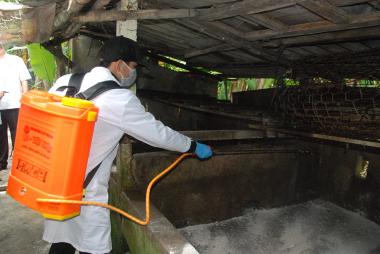
Sau Tết, nguy cơ dịch bệnh tăng cao. Việc người dân chủ động chăn nuôi an toàn, tiêm phòng đủ, theo dõi sát giúp giữ đàn vật nuôi khỏe mạnh.

26
THG11
Feed prices for aquaculture in 2025 show a downward trend, supporting farmers in restoring production
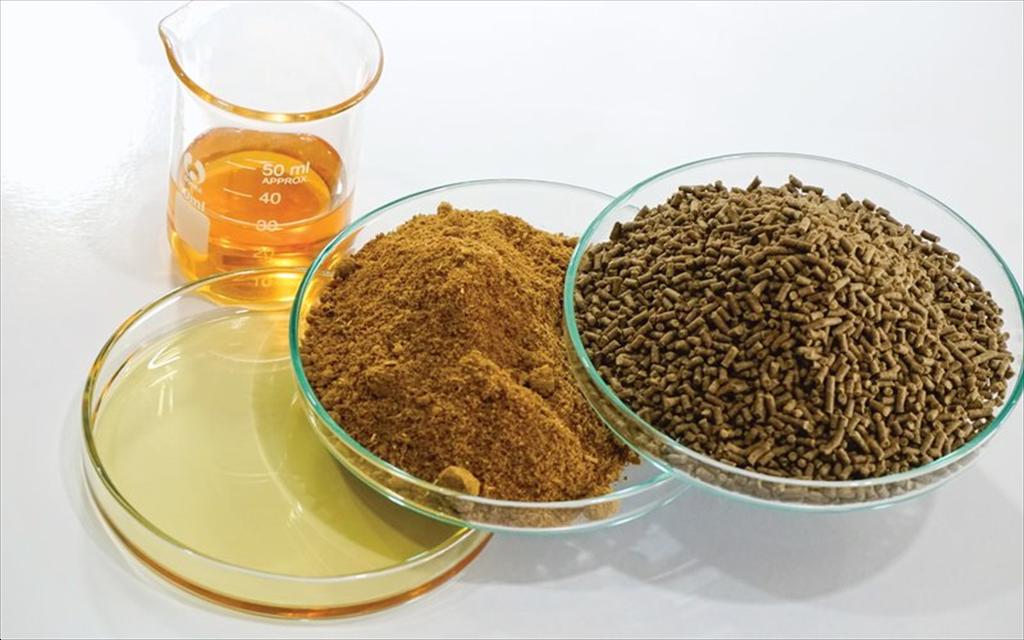
At the Conference on Feed Management and Environmental Treatment Products for Aquaculture, organized on the morning of November 21 by the Directorate of Fisheries and the Fisheries Surveillance Department in coordination with the Department of Agriculture and Rural Development of Ho Chi Minh City, reports indicated that aquaculture feed prices in 2025 are not increasing compared to 2024 and are trending downward.
20
THG11
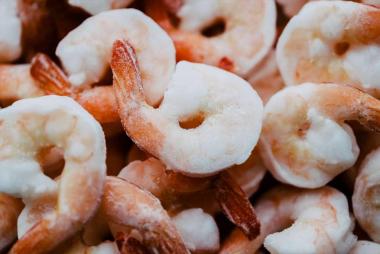
The global frozen shrimp market is expected to move toward strong growth through 2035
The global frozen shrimp market is projected to increase from approximately USD 18,742.6 million in 2025 to USD 32,847.3 million by 2035 — equivalent to about 75.3% growth over the next 10 years. The compound annual growth rate (CAGR) is estimated at 5.8% from 2025 to 2035.
12
THG11
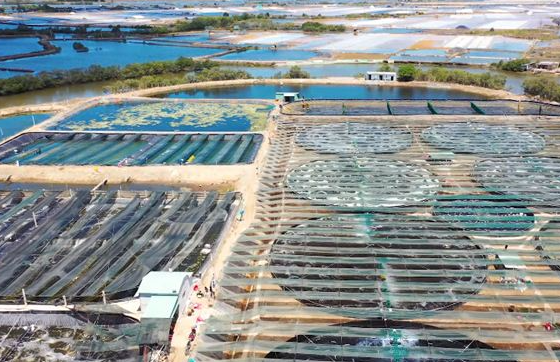
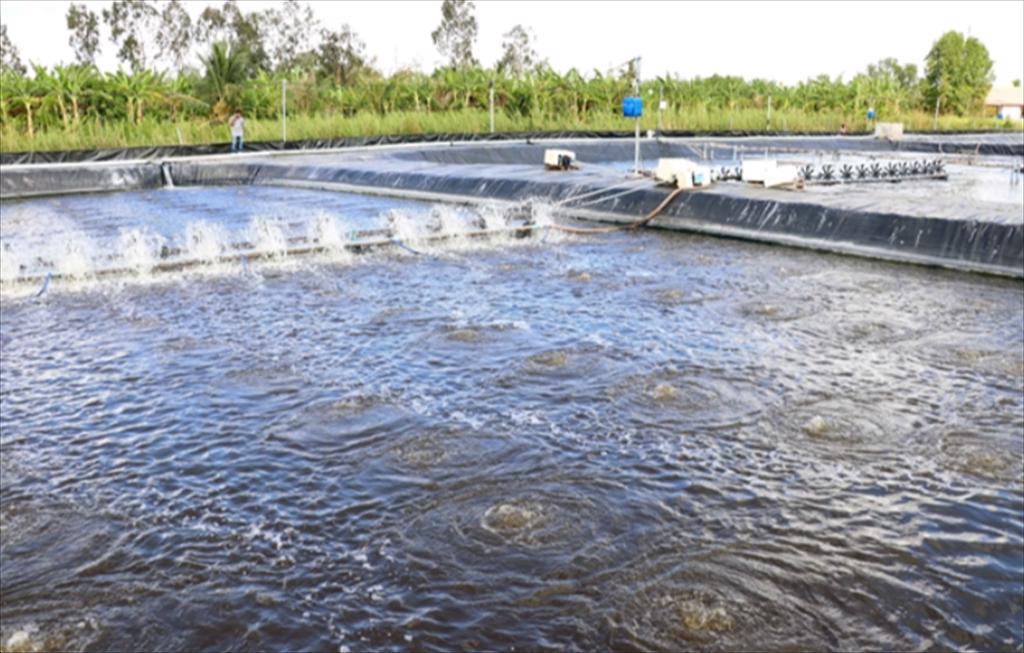
Applying technical innovations to develop sustainable brackish-water shrimp farming in the Mekong Delta
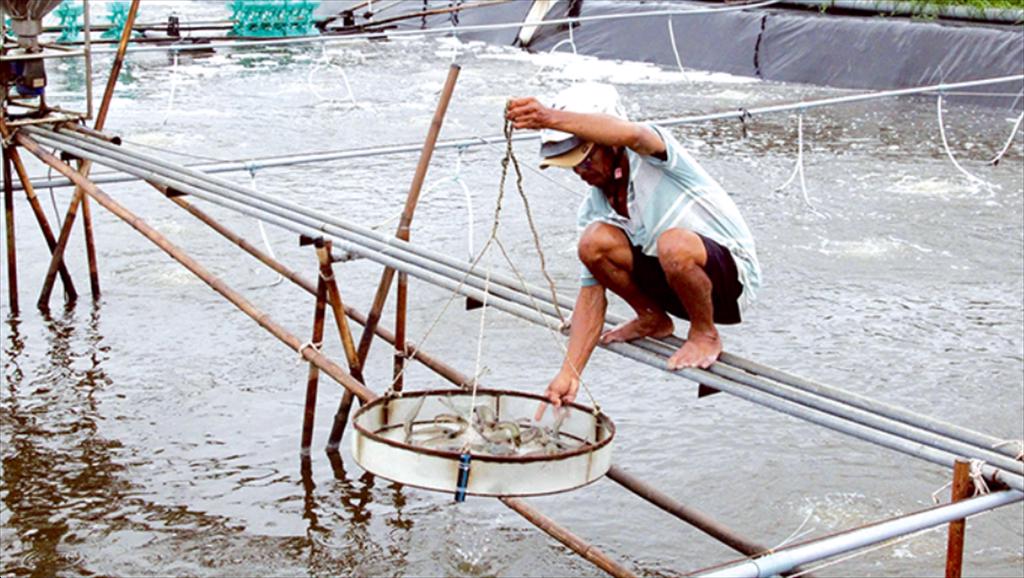
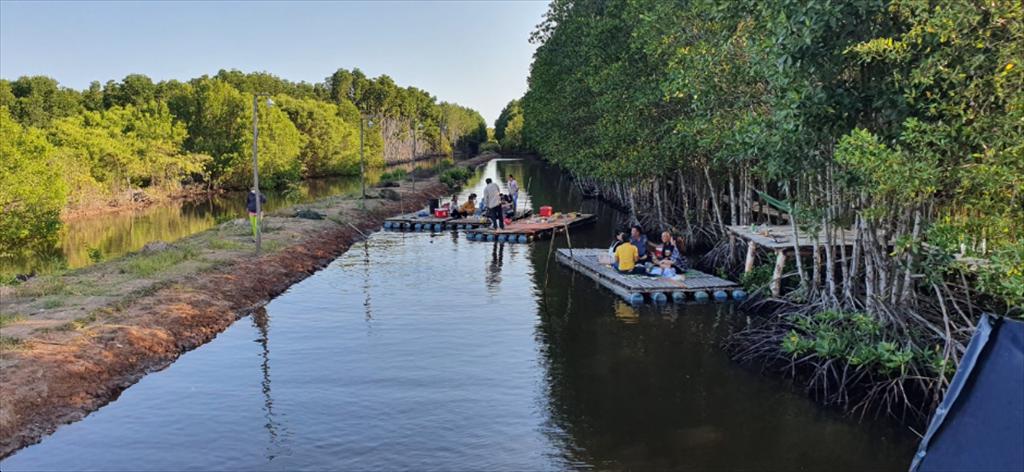
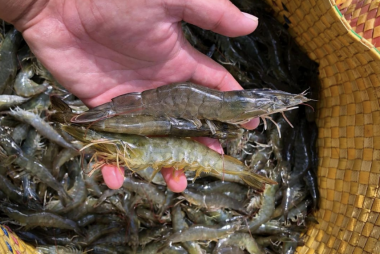
Vietnam’s shrimp industry plays a strategic role, contributing up to 45% of the country’s seafood export value and providing livelihoods for millions of households. However, climate change, stricter quality and traceability requirements, and increasing global competition are posing major challenges. The development goal is no longer to increase volume but to enhance value, sustainability, and environmental responsibility.
VIBO CO.,LTD
- Address: Lot No. 20, Zone G, D1 Street, An Ha Industrial Park, Tan Vinh Loc Commune, Ho Chi Minh City
- Phone: (84-28) 668.36156 / 668.36158
- Hotline: 1800.9435
- Fax: (84-28) 3620.4694
- Email: vibo@vibo.com.vn
- Website https://vibo.com.vn/