


- Address: Lot No. 20, Zone G, D1 Street, An Ha Industrial Park, Tan Vinh Loc Commune, Ho Chi Minh City
- Phone: (84-28) 668.36156 / 668.36158
- Hotline: 1800.9435
- Fax: (84-28) 3620.4694
- Email: vibo@vibo.com.vn
- Website https://vibo.com.vn/


Luân trùng – "Chìa khóa vàng" của giai đoạn ương bột
Trong ương cá tra, khoảng ngày thứ 2–3 sau khi nở là giai đoạn nguy hiểm nhất. Đây là lúc cá vừa tiêu hết noãn hoàng, bắt đầu bơi tự do và cần chủ động kiếm ăn — trong khi miệng còn nhỏ, hệ tiêu hóa chưa hoàn thiện, cá chưa có phản xạ với thức ăn bột hay bất kỳ loại thức ăn nhân tạo nào.
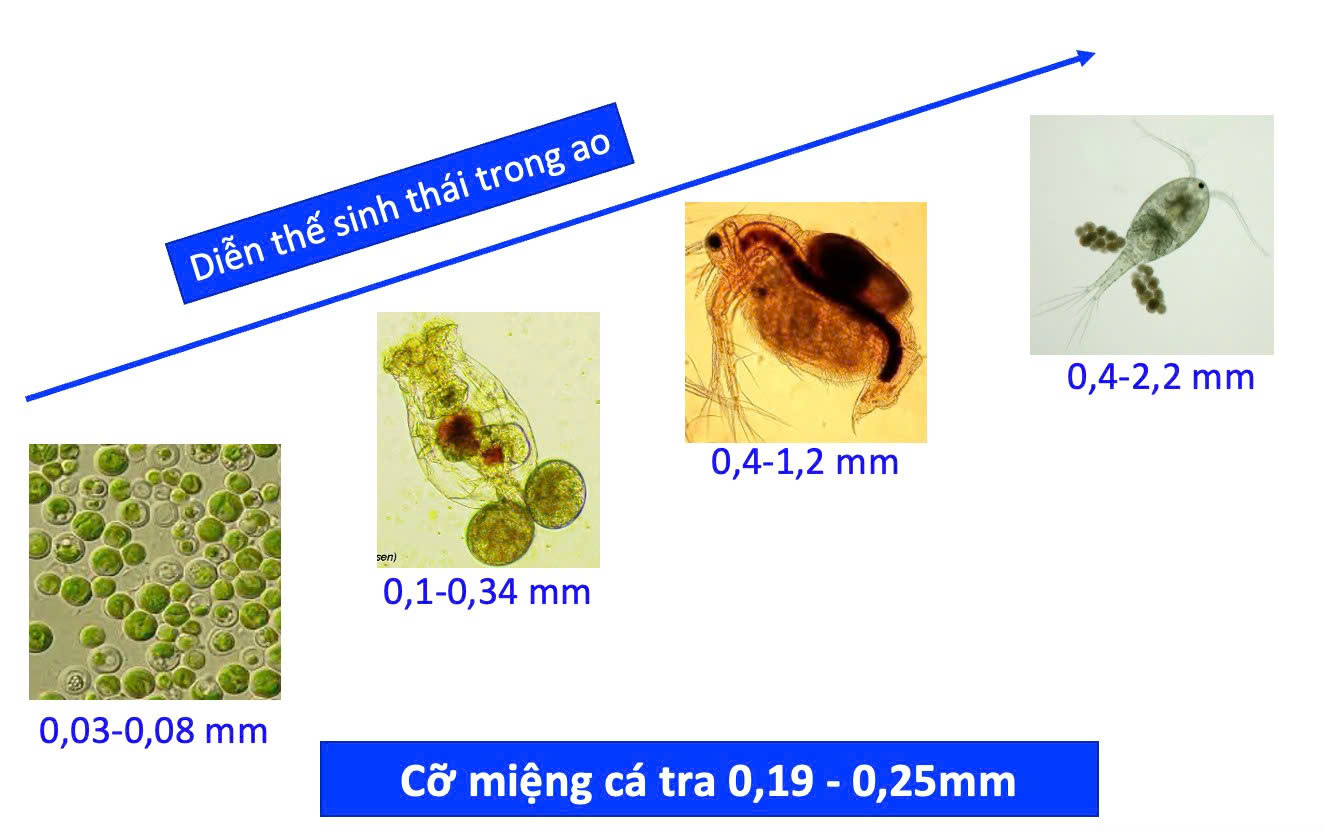
Luân trùng (Rotifer) là nguồn thức ăn duy nhất đáp ứng được giai đoạn này, vì ba lý do:
Kích cỡ: Luân trùng có kích thước 100–300 µm, phù hợp chính xác với độ mở miệng của cá tra bột. Trứng nước hay copepod đều không dùng được ở những ngày đầu.
Tự tiêu hóa khi vào bụng cá: Luân trùng chứa trên 50% protein và giàu acid béo thiết yếu (EPA, DHA). Quan trọng hơn, enzyme tiêu hóa có sẵn trong cơ thể luân trùng sẽ tự kích hoạt khi vào cơ thể cá — giúp cá hấp thu toàn bộ dinh dưỡng.
Kích thích bản năng săn mồi: Luân trùng di chuyển lơ lửng, xoay tròn nhẹ trong cột nước — chính chuyển động này kích hoạt phản xạ đớp mồi của cá bột.
Vấn đề là luân trùng không tự có sẵn với mật độ đủ lớn trong ao mới. Nếu thả bột vào ao chưa đủ sinh khối, cá tiêu hao năng lượng bơi lội mà không tìm được mồi — chỉ sau 24 giờ là bắt đầu ăn nhau và có thể gây chết hàng loạt. Vì vậy, người nuôi phải chủ động gây tạo luân trùng và nâng cao mật độ vào 3 ngày đầu sau khi thả bột.
Quy trình gây tạo và duy trì luân trùng
Bước 1 – Chuẩn bị ao (Ngày -3 đến -2)
Cải tạo đáy, bón vôi, phơi ao, cấp nước qua túi lọc theo quy trình chuẩn. Diệt khuẩn, ổn định môi trường, để nước nghỉ 12-24 giờ trước khi thả bột.
Bước 2 – Gây luân trùng (Ngày -1 đến Ngày 0)
Mục tiêu: Nước lên màu xanh đọt chuối non, luân trùng đạt mật độ đỉnh đúng ngày xuống giống.
Lặp lại cho ngày hôm sau.
Bước 3 – Giàu hóa luân trùng (Ngày 1–3 sau thả cá)
Mục tiêu: Tăng chất lượng luân trùng, đồng thời kích thích Moina phát triển.
Bước 4 – Chuyển sang Moina, tập ăn công nghiệp (Ngày 4–10)
Mục tiêu: Duy trì Moina đỏ ao, cá bột bắt đầu làm quen thức ăn công nghiệp.
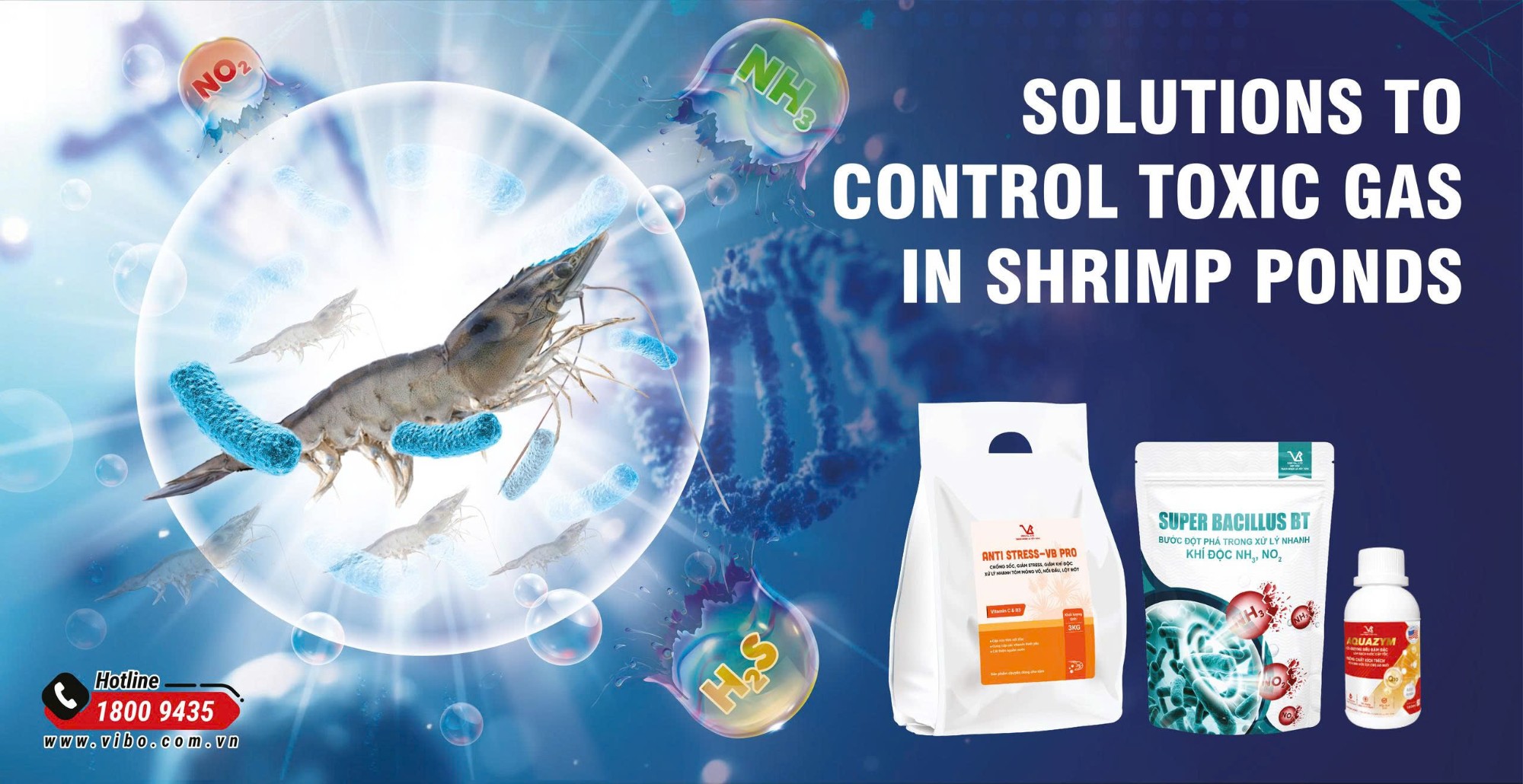
To manage toxic gases in shrimp ponds, focus on a two-pronged approach: proactive prevention and reactive treatment. Proactive methods include controlling feed to avoid excess nutrients, ensuring good aeration, and maintaining water quality parameters like pH and alkalinity. Reactive measures involve water exchange, using probiotics, and applying chemicals like lime or zeolites to break down waste and neutralize toxic gases like hydrogen sulfide and ammonia.
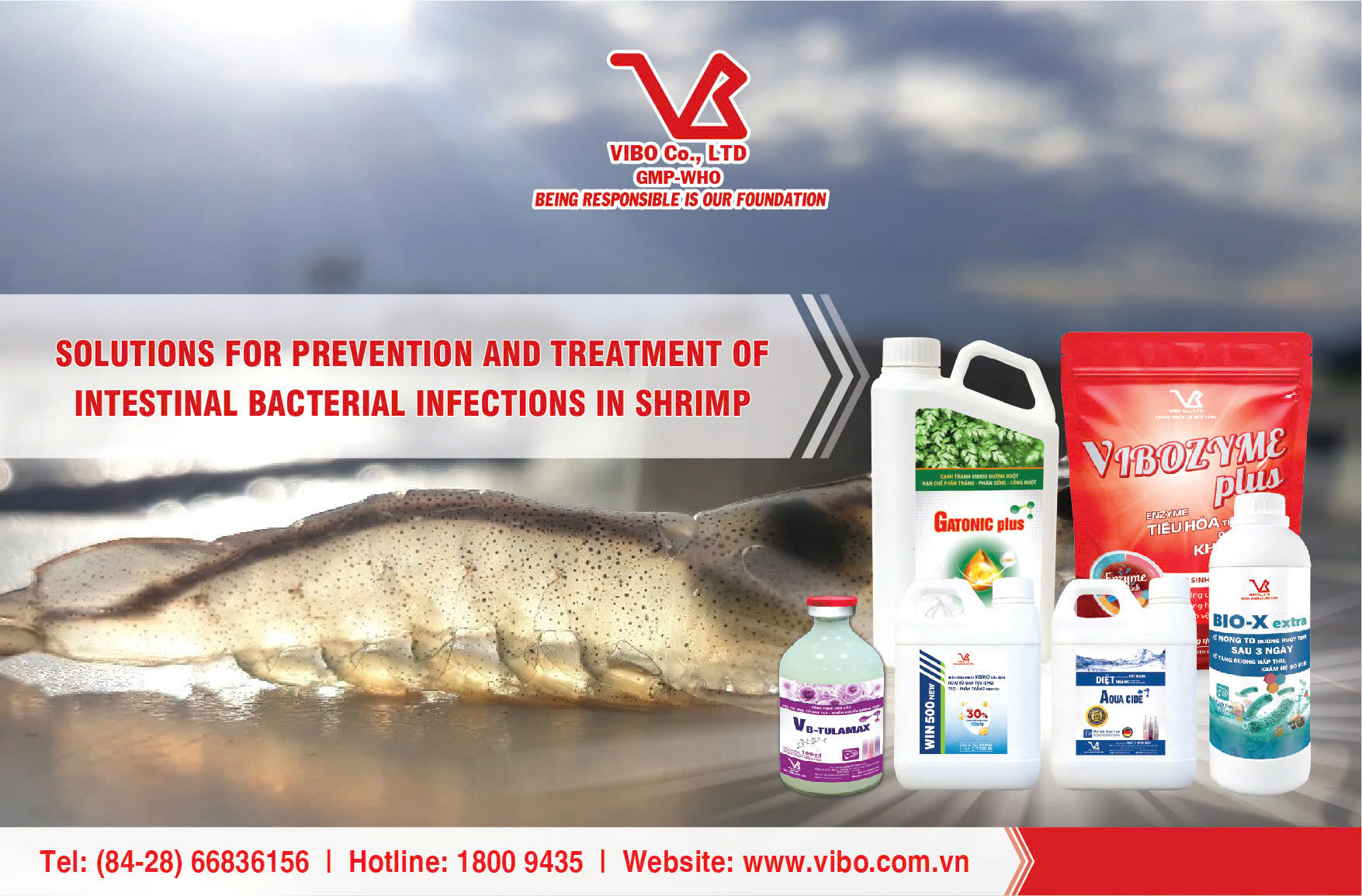
The shrimp intestine is one of the most important organs in shrimp physiology. However, due to its simple structure, it is highly susceptible to pathogenic invasion. Intestinal bacterial infections commonly lead to several widespread problems such as segmental gut necrosis, enteritis, white feces syndrome, and empty gut, all of which directly affect productivity and crop performance
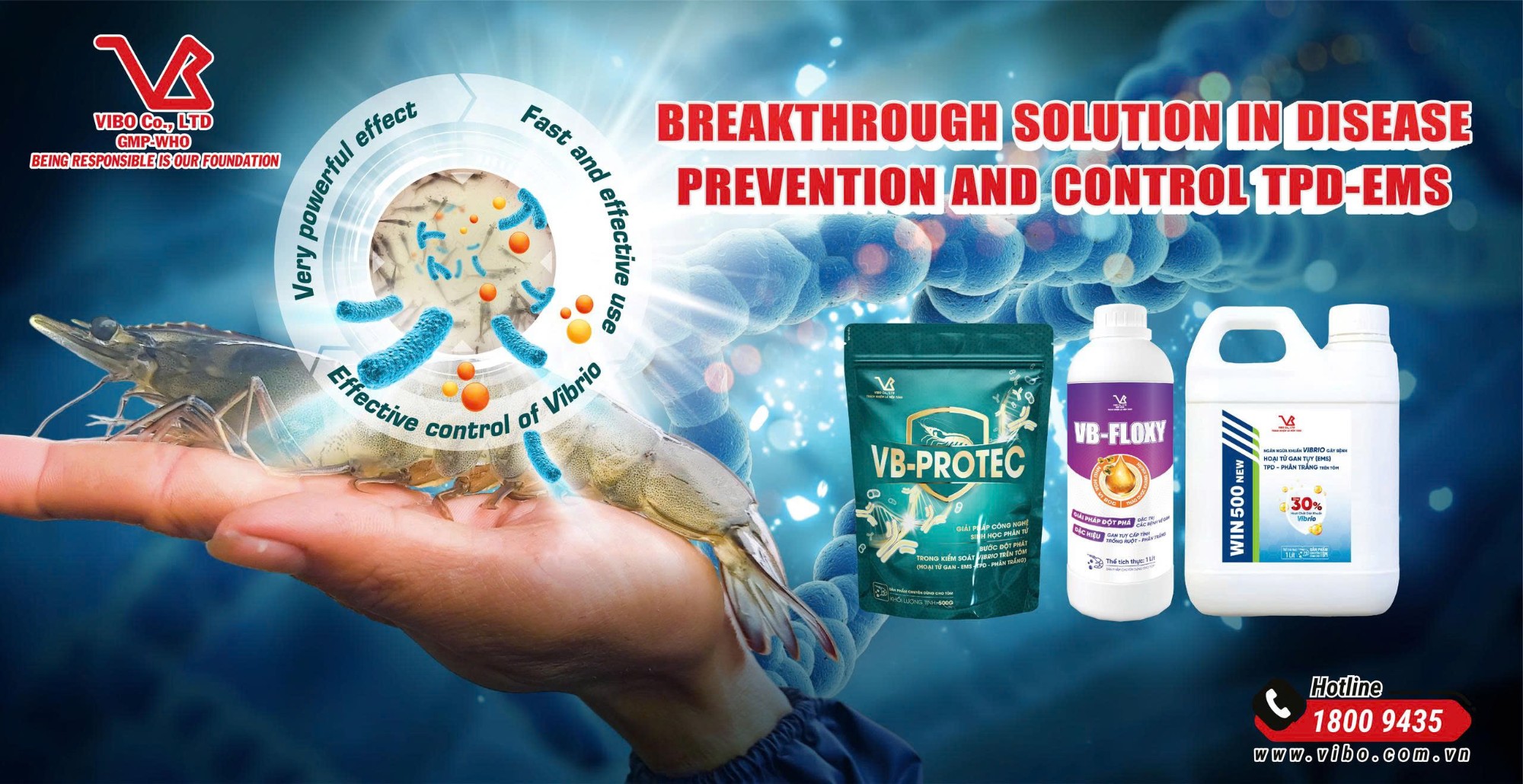
Translucent Post-Larvae Disease (TPD), also known as “Glass Post-Larvae Disease,” is an emerging disease affecting Penaeus vannamei. It was first reported in March 2020 in China and is characterized by extremely high mortality rates, particularly in shrimp at the PL4–PL7 stages. The disease is caused by a highly virulent strain of Vibrio parahaemolyticus, designated VpTPD, which has resulted in severe economic losses—impacting 70–80% of hatcheries as well as shrimp farmers. The disease spreads rapidly and can cause up to 90% mortality within 2–3 days, leading to catastrophic financial losses if not promptly managed.
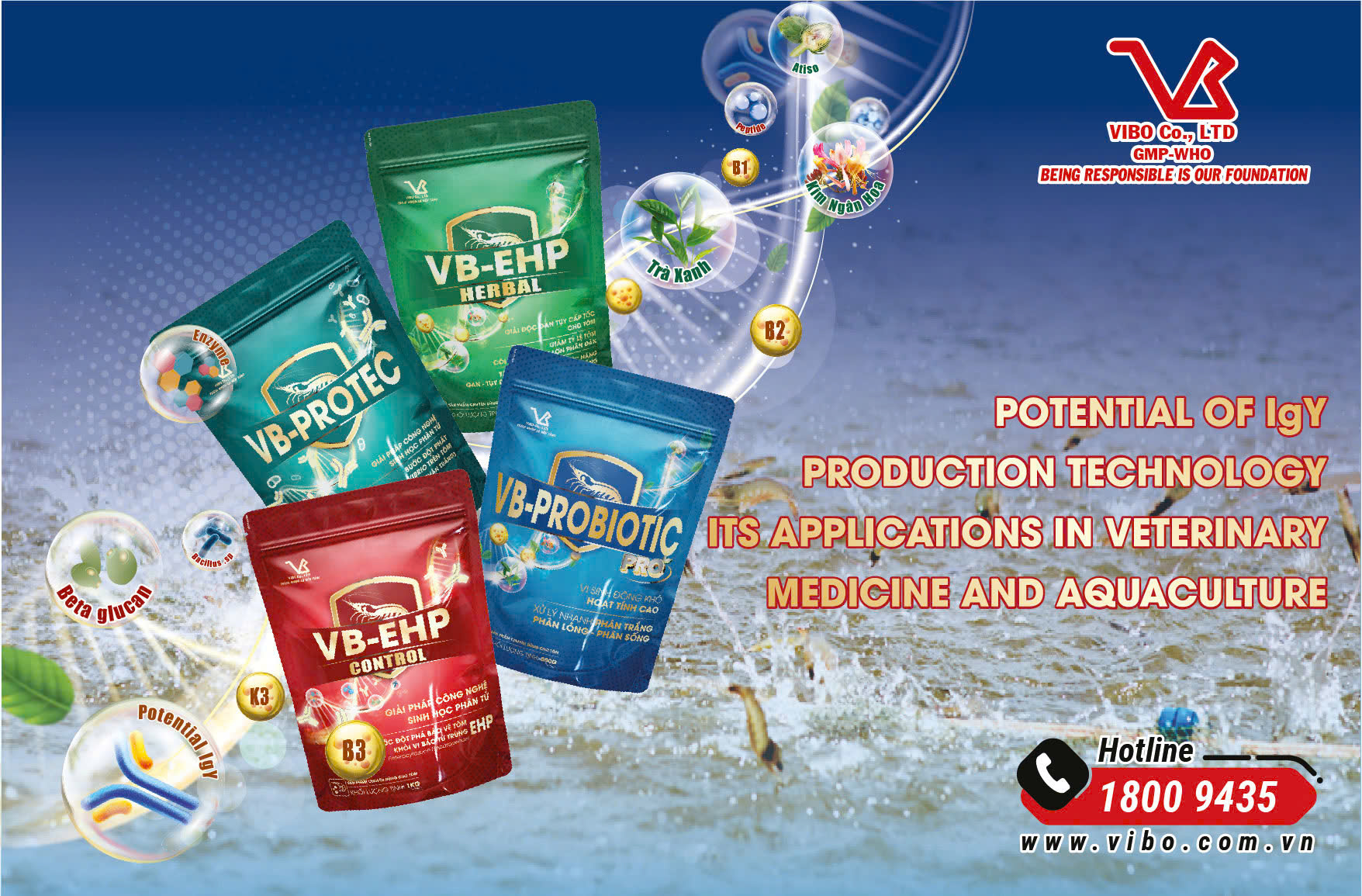
Immunoglobulin of the yolk is an immune globulin produced by hens to protect chicks during the first weeks of life against emerging pathogens. It is functionally equivalent to immunoglobulin G found in the colostrum of mammals. IgY is a completely natural antibody product. A primary goal of animal welfare is to reduce painful procedures. IgY technology meets this requirement because antibodies are collected non-invasively through egg collection rather than blood sampling, which causes stress and pain in mammals. IgY technology also offers significant economic advantages since raising hens is far more cost-effective than raising rabbits, sheep, or horses for antibody production.
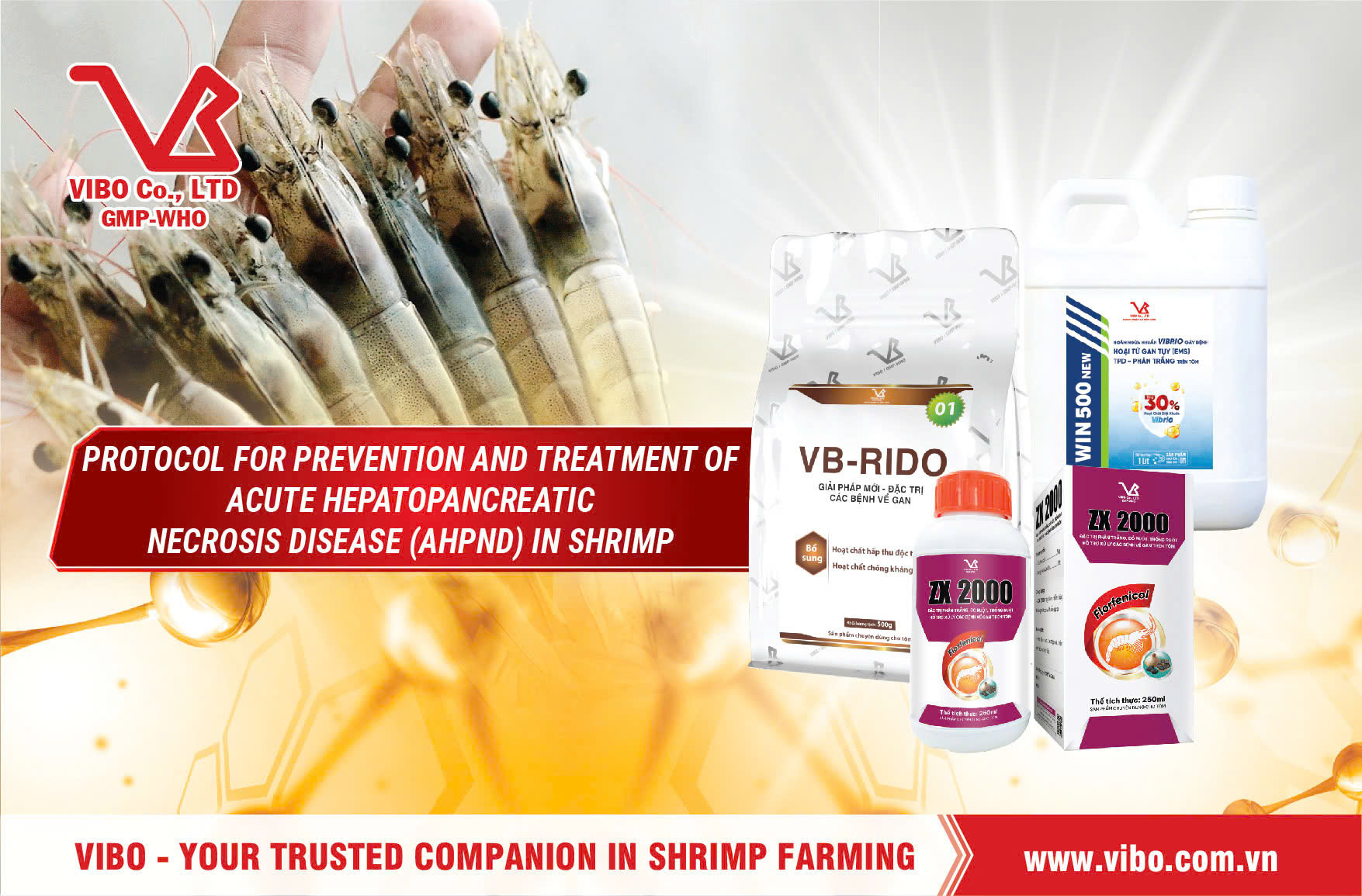
A protocol for preventing and treating Acute Hepatopancreatic Necrosis Disease (AHPND) in shrimp involves biosecurity, farm management, and advanced techniques like phage therapy and probiotics. Prevention focuses on stringent biosecurity to prevent pathogen introduction, while management techniques include regular water changes, siphoning, and careful feed optimization. If the disease is confirmed, treatment may involve disinfecting the pond and its contents, and future efforts are exploring technologies like vaccination and immune enhancement through plant-based compounds.

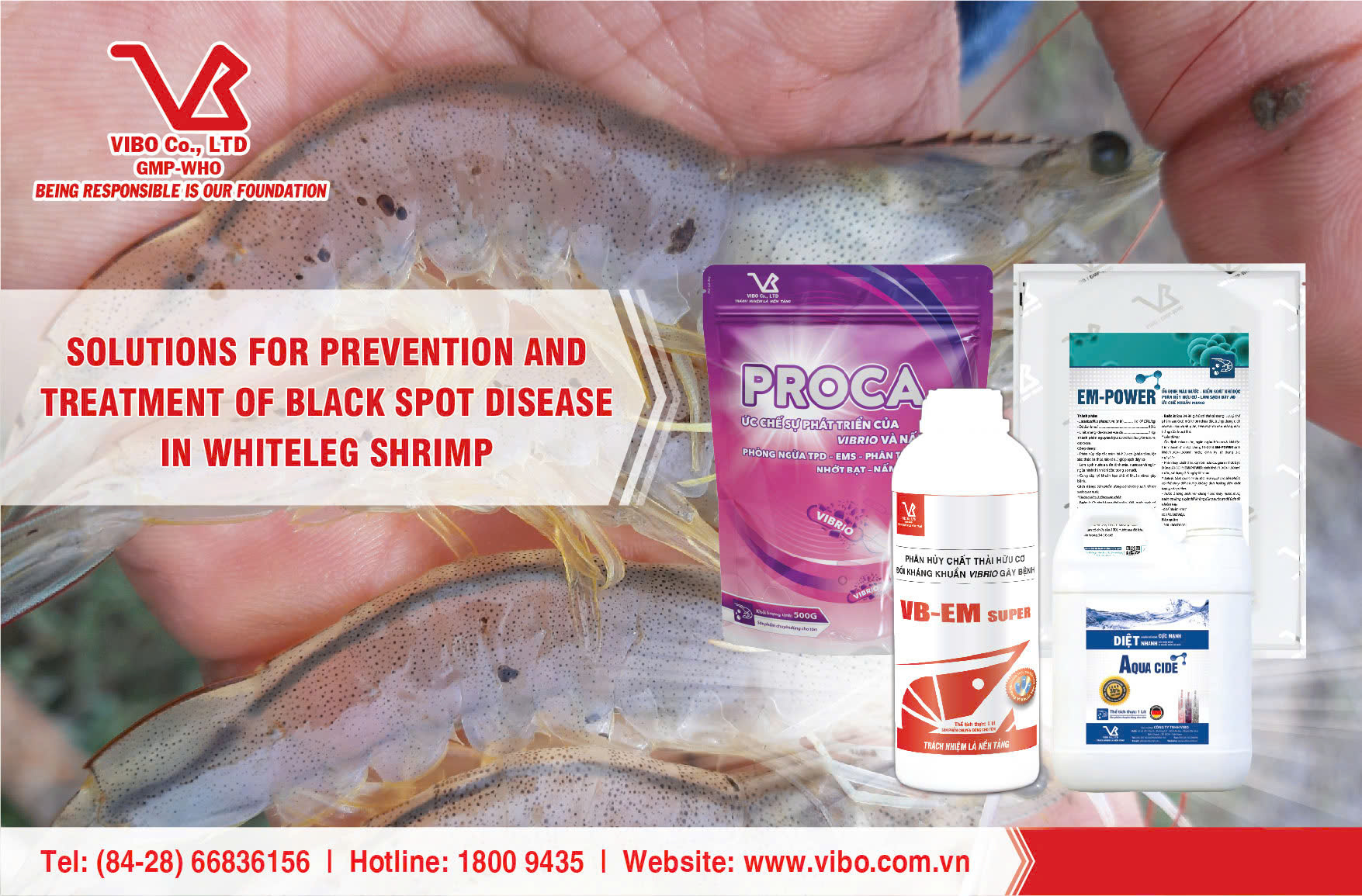
Prevention of black spot disease in whiteleg shrimp involves maintaining good water quality, preventing injuries, managing feed residue, and using biosecurity measures. Treatment can include post-harvest dipping in solutions like sodium bisulfite or ascorbic acid, and in some cases, in-pond treatments such as slaked lime or probiotics may be used. Improve pond conditions: Maintain good water quality and clean pond bottoms to remove waste and feed residue. Biosecurity: use disease-free seed shrimp, disinfect water before filling ponds, prevent wild shrimp, crabs, and clams from entering the pond.
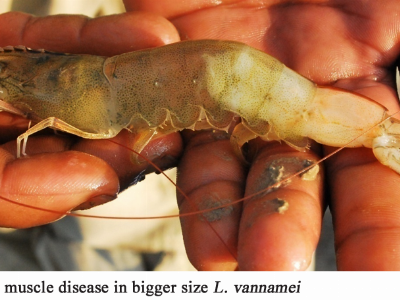
Shrimp culture tends to now be developed intensively with upgraded technology for higher and successful production. On many occasions, shrimp culture is affected by various diseases and experienced in the loss of crop or reduced the production level by various reasons, writes Mr. Prakash Chandra Behera, India. Intensive and semi-intensive aquafarming accompanies several disease problems often due to opportunistic pathogens as evident from general aquaculture. High stocking densities, high food inputs, and other organic loads stimulate the selection and proliferation of opportunistic pathogens like bacteria, viruses, fungi, protozoa, etc.
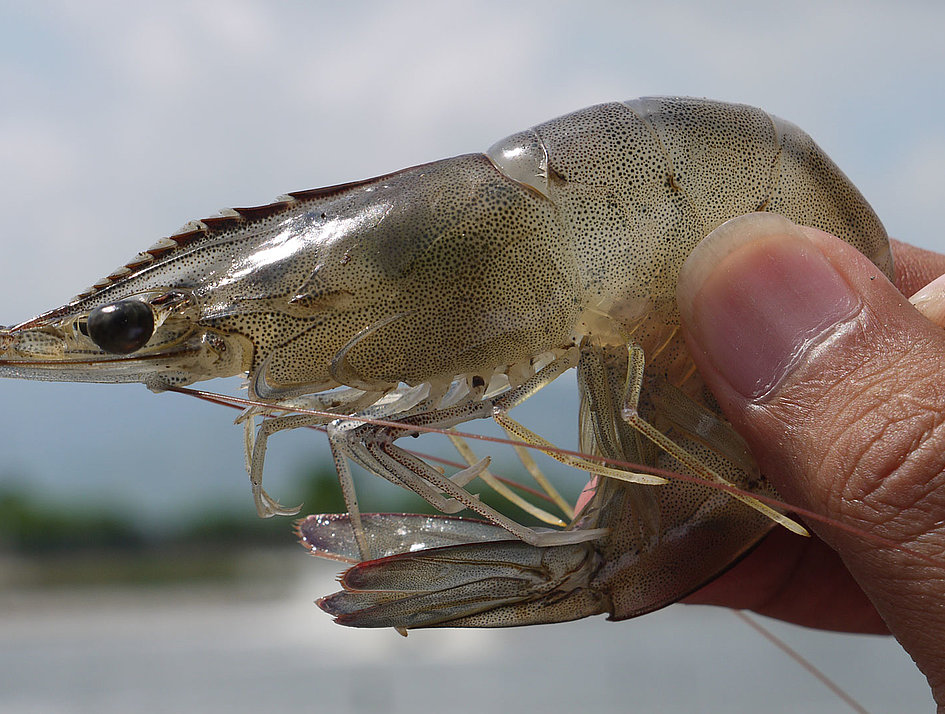
Early mortality syndrome (EMS) or acute hepatopancreatic necrosis disease (AHPND), is a penaeid shrimp disease that causes serious economic losses and significant mortality, up to 100%, in cultured shrimp species. The dramatically high mortality rates in infected shrimp are caused by dysfunction and destruction of the hepatopancreas (Lightner et al. 2014). There is no inflammatory response to the causative Vibrio spp., because AHPND is elicited by a toxin (Han et al. 2015), which is encoded by a plasmid (Yang et al. 2013; Tran et al. 2013). Various Vibrio spp., not only V. parahaemolyticus were demonstrated to carry this pathogenic plasmid.
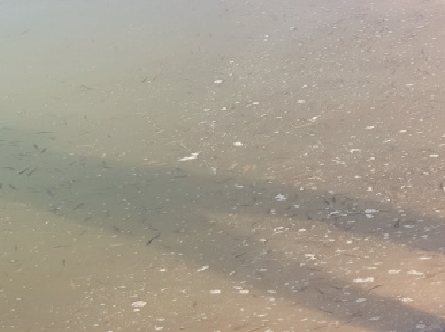
Fish when imported to the pond often lose a lot due to:
- Construction during transportation.
Stress due to changing living environment.
- Easy to get bacteria and fungi to enter the body.
