

News

19
THG06
Tây Ninh siết chặt các biện pháp phòng dịch cho đàn vật nuôi
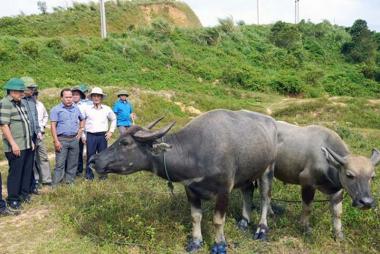
Trong bối cảnh thời tiết chuyển mùa với độ ẩm không khí tăng cao, nhiệt độ biến động thất thường, sức đề kháng của vật nuôi suy giảm, ngành chuyên môn Tây Ninh khuyến cáo người chăn nuôi chủ động triển khai đồng bộ các giải pháp phòng, chống dịch bệnh để bảo đảm sản xuất ổn định.
19
THG05
Khánh Hòa tăng cường giám sát dịch lở mồm long móng chủng SAT1
(Người Chăn Nuôi) – UBND tỉnh Khánh Hòa vừa ban hành Văn bản số 6043/UBND-KT về việc chủ động ngăn chặn, giám sát nguy cơ dịch bệnh lở mồm long móng do virus thuộc serotype SAT1 xâm nhập vào địa bàn tỉnh.
21
THG04
Khẩn: Biến chủng SAT -1 trên gia súc, sức tàn phá khủng khiếp
Trước nguy cơ xâm nhiễm của chủng virus FMD SAT-1 từ biên giới, Thứ trưởng Bộ NN - MT Phùng Đức Tiến yêu cầu kích hoạt hệ thống phòng thủ "từ sớm, từ xa" để bảo vệ sinh kế của người dân và an ninh thực phẩm quốc gia.
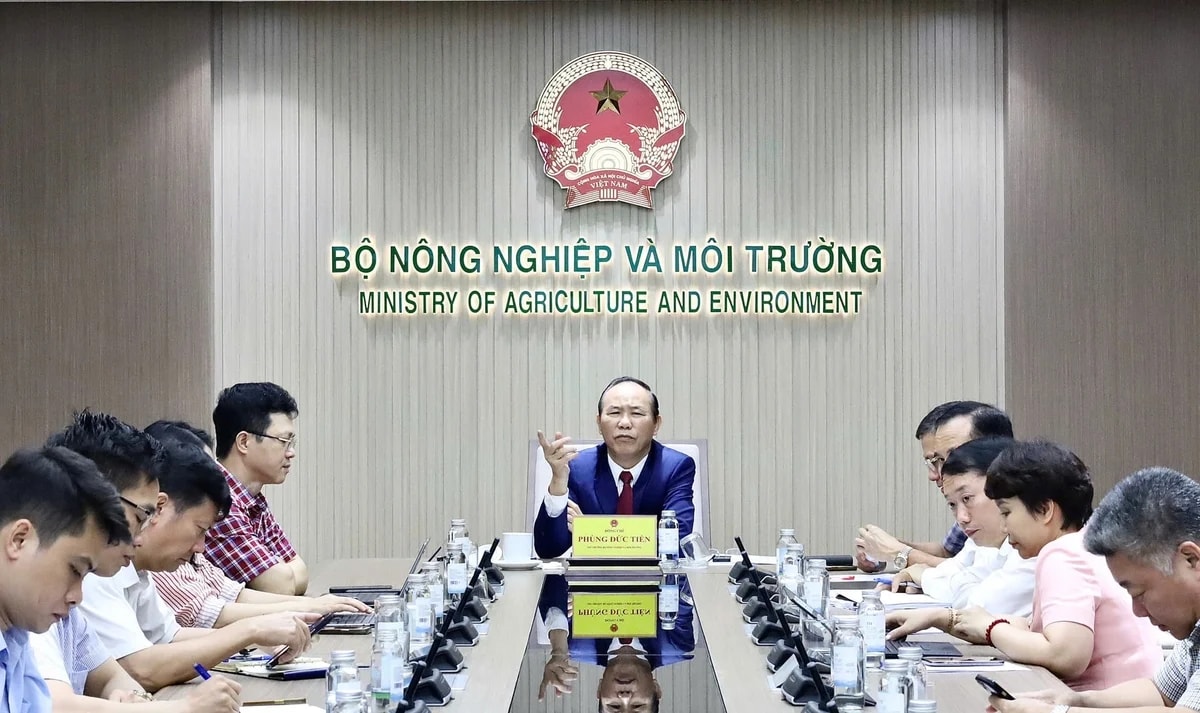
Thứ trưởng Bộ NN-MT Phùng Đức Tiến chủ trì cuộc họp khẩn sáng nay để đối phó dịch bệnh. Nguồn nongnghiepmoitruong.vn
"Sát thủ mới” độc lực cực mạnh
Khác với các tuýp virus O, A hay Asia-1 đã quen thuộc tại Việt Nam, chủng SAT-1 (South African Territories 1) được ví như một "sát thủ mới" với độc lực cực mạnh. Đặc tính nguy hiểm nhất của chủng này là gây viêm cơ tim cấp tính và phá hủy hệ hô hấp.
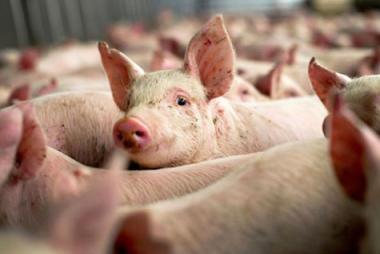
Theo báo cáo của Cục Thú y, tỷ lệ tử vong trên thực địa là con số biết nói. Đối với heo, là động vật dễ bị tổn thương nhất. Nếu bị nhiễm bệnh, heo con có tỷ lệ chết lên đến 50 - 80% chỉ sau thời gian ngắn phát bệnh; heo thịt tỷ lệ chết khoảng 20%.
Còn đối với trâu, bò, dù có sức đề kháng tốt hơn nhưng tỷ lệ chết vẫn dao động từ 10 - 50% tùy tình trạng sức khỏe.
.webp)
Nếu bị lây nhiễm, thì heo là vật nuôi dễ bị thiệt hại lớn nhất từ vi rút SAT - 1. Nguồn: vov.vn
Dấu hiệu nhận biết nhiễm bệnh, ngoài các triệu chứng điển hình như sốt cao, loét miệng, móng và chảy nước bọt, gia súc nhiễm SAT-1 thường có biểu hiện khó thở nặng, bỏ ăn hoàn toàn và có thể chết đột ngột do suy tim trước khi các vết loét kịp lan rộng.
Khoảng trống vaccine và thách thức "chạy đua" với thời gian
Tại cuộc họp sáng 14/4 do Bộ NN-MT tổ chức, đánh giá của cơ quan chuyên môn cho biết, dù dịch bệnh chưa vào nước ta, nhưng một vấn đề nan giải được đặt ra: Việt Nam hiện chưa có kháng thể sẵn có cho chủng SAT-1 trong đàn vật nuôi. Các loại vaccine đa giá hiện hành không có tác dụng bảo hộ đối với biến chủng này.
Thách thức càng lớn khi việc nhập khẩu vaccine đơn giá chủng SAT-1 từ các tập đoàn đa quốc gia có thể mất tới 6 tháng, với mức giá dự kiến khoảng 40.000 VNĐ/liều. Đây là mức giá khá cao đối với hộ chăn nuôi nhỏ lẻ, đặt ra bài toán về việc nhà nước cần có cơ chế hỗ trợ giá hoặc dự phòng khẩn cấp, để kịp thời bao phủ miễn dịch cho các vùng trọng điểm.
Phải làm gì ngay lúc này?
Trong bối cảnh vaccine chưa thể có ngay, Thứ trưởng Phùng Đức Tiến nhấn mạnh: "Vũ khí mạnh nhất hiện nay là kiểm soát biên giới và an toàn sinh học tại chuồng trại".
Theo đó, Bộ NN - MT đưa ra khuyến cáo khẩn cấp, là kiểm soát tuyệt đối nguồn gốc. Không mua bán, vận chuyển gia súc không rõ nguồn gốc, đặc biệt là tại các tỉnh biên giới phía Bắc và miền Trung.
Virus FMD rất nhạy cảm với môi trường axit và kiềm. Người dân cần tăng cường phun khử khuẩn bằng vôi bột hoặc các dung dịch sát trùng chuyên dụng (như Iodine, NaOH 2%) với tần suất cao hơn tại các cửa ngõ trang trại.
Khi phát hiện gia súc có biểu hiện sốt, lờ mờ, loét móng, chủ hộ phải báo ngay cho cơ quan thú y địa phương. Tuyệt đối không bán chạy hoặc vứt xác gia súc ra môi trường.
Để ứng phó, Bộ đã giao Cục Thú y xây dựng kế hoạch 4 giai đoạn:
Giai đoạn 1: Giám sát chủ động tại cửa khẩu, đường mòn và nhập khẩu mẫu mồi xét nghiệm.
Giai đoạn 2: Nhập khẩu dự phòng vaccine và xây dựng bản đồ vùng nguy cơ cao.
Giai đoạn 3: Kích hoạt hệ thống phản ứng nhanh, bao vây ổ dịch ngay từ khi phát hiện ca đầu tiên.
Giai đoạn 4: Nghiên cứu sản xuất vaccine nội địa nhằm làm chủ công nghệ về lâu dài.
Dù virus FMD chủng SAT-1 không lây sang người, nhưng sức tàn phá về kinh tế là vô cùng lớn. Sự phối hợp chặt chẽ giữa các bộ ngành (Công an, Biên phòng) và ý thức tự bảo vệ của người nông dân là chìa khóa duy nhất để ngăn chặn một cuộc khủng hoảng mới trong ngành chăn nuôi.
Tấn Nguyễn - Tạp chí điện tử Nông Thôn Việt
VIBO CO.,LTD
- Address: Lot No. 20, Zone G, D1 Street, An Ha Industrial Park, Tan Vinh Loc Commune, Ho Chi Minh City
- Phone: (84-28) 668.36156 / 668.36158
- Hotline: 1800.9435
- Fax: (84-28) 3620.4694
- Email: vibo@vibo.com.vn
- Website https://vibo.com.vn/