


- Address: 胡志明市新榮祿社安夏工业园 D1 路 G 区 20 号地块
- Phone: (84-28) 668.36156 / 668.36158
- Hotline: 1800.9435
- Fax: (84-28) 3620.4694
- Email: vibo@vibo.com.vn
- Website https://vibo.com.vn/


- White spots in the internal organs disease of fingerling catfish (Pangasianodon hypophthalmus) caused by Edwarsiella ictaluri.
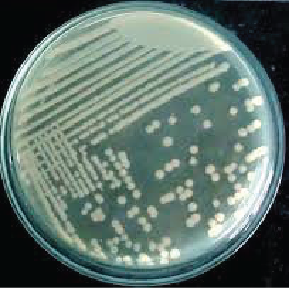
Figure 1: Edwardsiella ictalurid bacteria
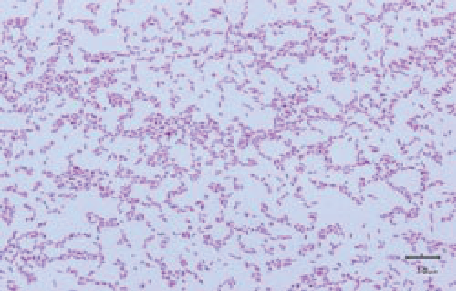
Figure 2: Bacteria that cause disease after Gram staining

Figure 3: Appearance of diseased catfish Figure 4: Internal appearance of diseased catfish
- Fish are lethargic, somber disorientation, white, red head, reddened, bleeding under the skin, fins, anus. (Picture 3)
- Intrinsic bleeding, red, dark swelling. Liver, kidneys, and depending on organs appear a lot of tiny white pus spots. (Picture 4)
- The disease appears mostly in the rearing stages with strong outbreaks in the rainy season, cold weather, low oxygen content (June-December).
- Improve pond water environment:
+ Periodically, water desinfection with GLUMAX (1L/4,000 - 5,000m3 of water).
+ Adding micro-organisms with VB-EM (5L/3,000m3 water) improves water quality and compete with pathogenic bacteria.
- Increasing resistance for fingerling catfish:
+ Prevention of internal and external parasites, VB-PRAZI_concentrated (1Kg/20-25 tons of fish).
+ Periodically supplement, BIO-X_pro + VB12_pro (1Kg/L/10-15 tons of fish) to support digestion, enhance liver and kidney function.
- Case 1: Fingerling catfish just have white spots in the internal organs disease
+ Cut feed, do not change water and use BIO-POND_pro to degassing toxic gases, stabilize the water environment.
+ Use GLUMAX to disinfect pond water.
+ Reduce the amount of feed (about 50%) and combine using VB-RIDO_super + VB-GENTA_concentrated to mix with fish feed.
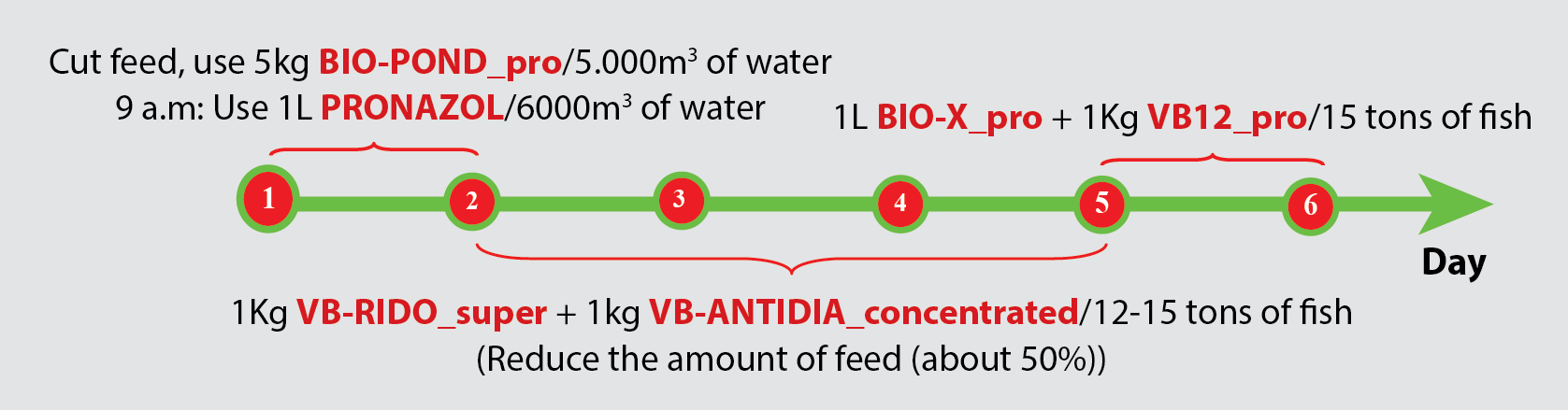
- Case 2: Fish superinfected with tail rot disease (Flavobacterium columnare bacteria)
+ Do not change water, use BIO-POND_pro (8 am) to stabilize the pH, absorb toxic gases, and deposit heavy metals.
+ Use PRONAZOL (10 am) to kill bacteria and fungi in water.
+ Reduce the amount of feed (50%) and combine treated with VB-RIDO_super + VB-ANTIDIA_concentrated.
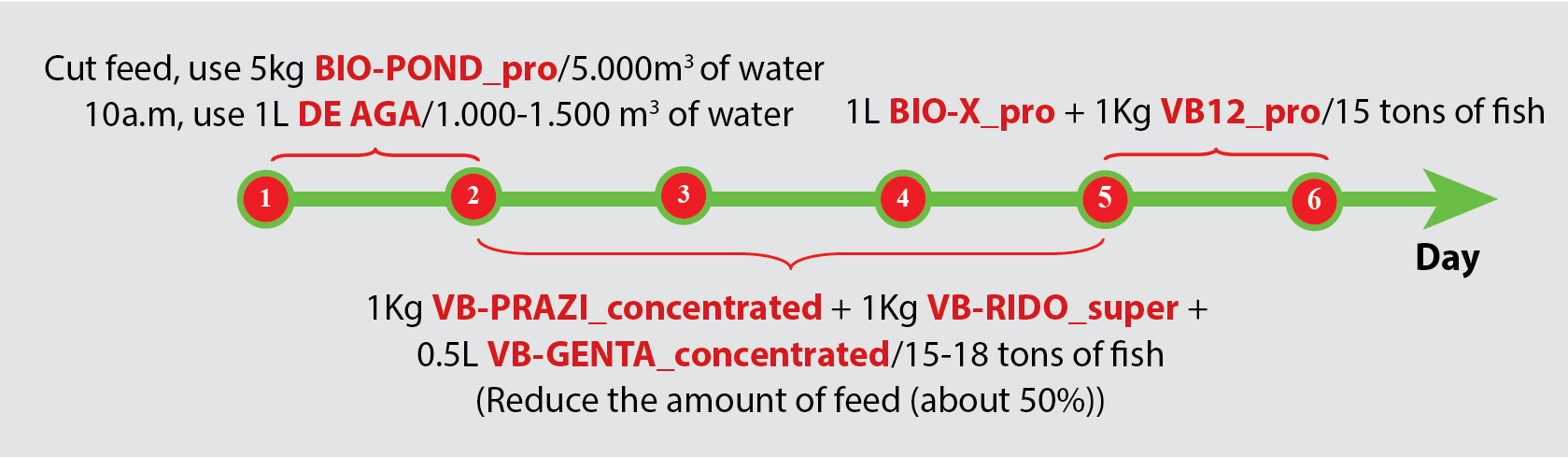
- Case 3: Fish superinfected with an external parasitic disease.
+ Using BIO-POND_pro to absorb toxic gases, suspended substances, clean the pond water environment.
+ Use DE AGA (10 am) to kill bacteria, parasites.
+ Reduce the amount of feed (50%) and treated with VB-PRAZI_concentrated (2 days) + VB-RIDO_super + VB-GENTA_concentrated.
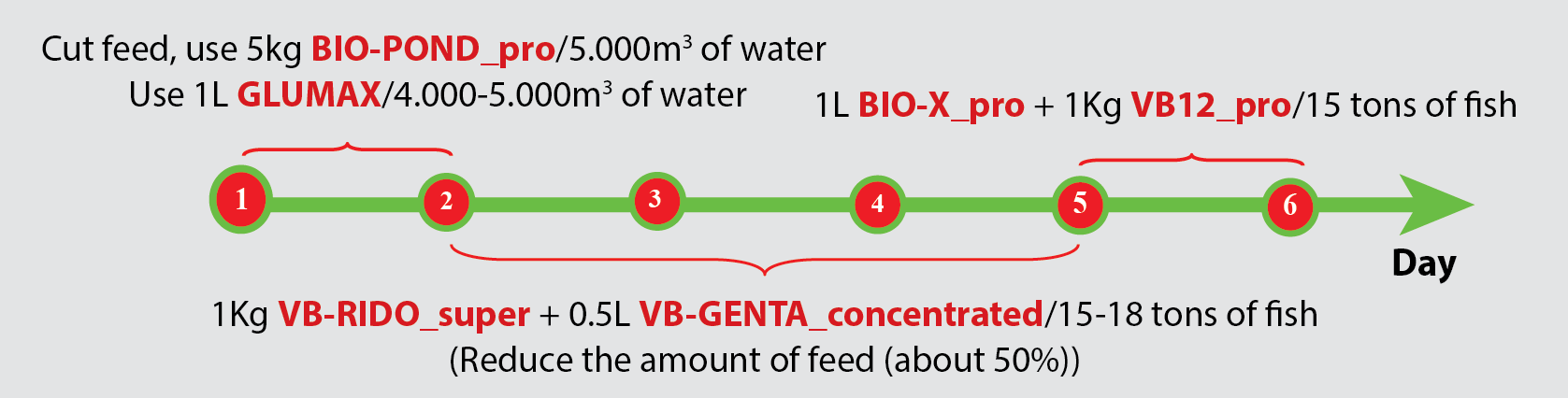
* Note: In case of fish liver is weak - white liver, inflamed kidneys, it is necessary to combine BETA-50 new product to support liver and kidney recovery for fish.

CÔNG NGHỆ SẢN XUẤT IgY TIỀM NĂNG VÀ ỨNG DỤNG
TRONG THÚ Y VÀ THỦY SẢN
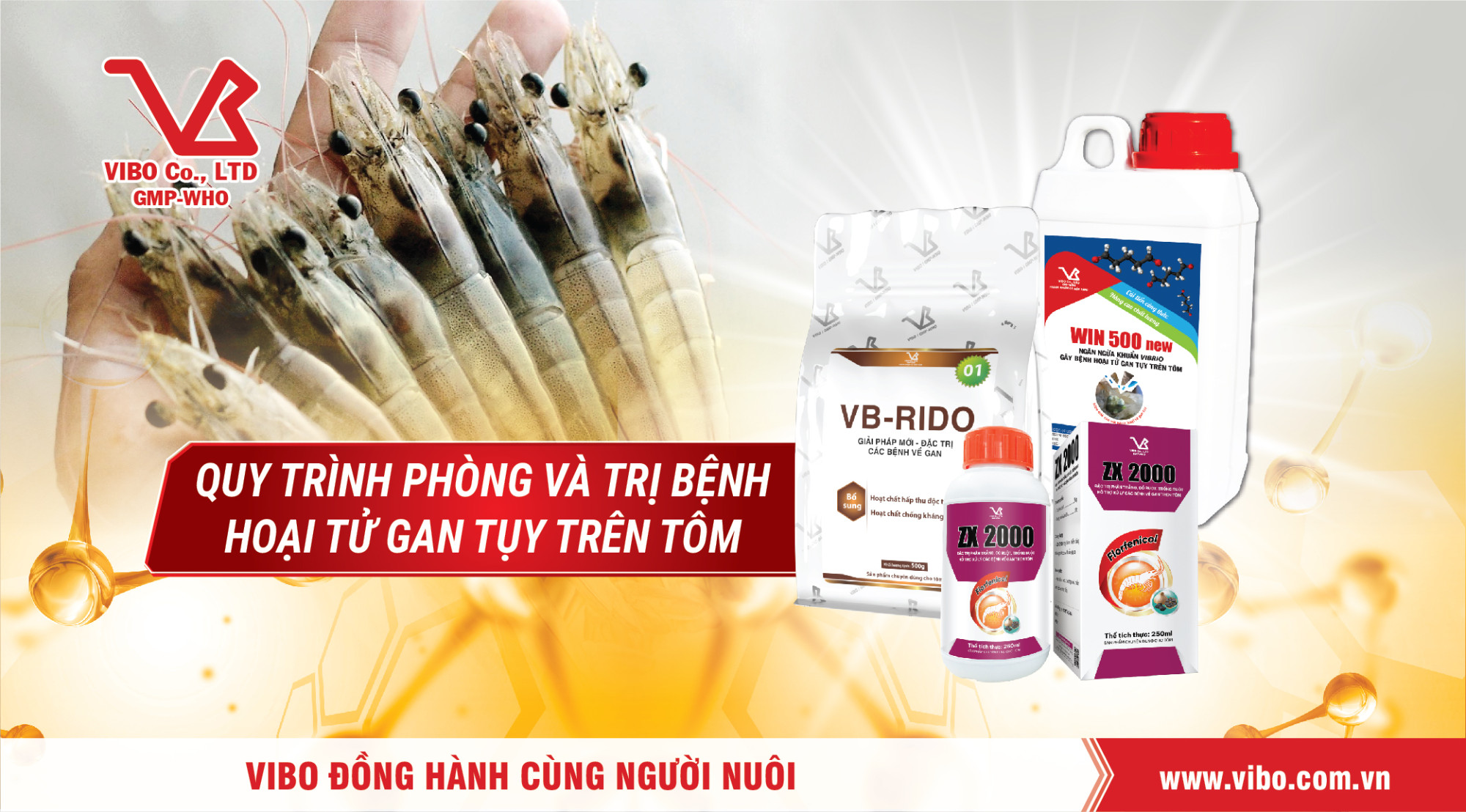
Bệnh hoại tử gan tụy trên tôm (AHPND) hay còn gọi là hội chứng tôm chết sớm (EMS) liên quan đến việc quản lý môi trường ao nuôi tôm, trong đó nhóm vi khuẩn Vibrio parahaemolyticus là nguyên nhân chính gây bệnh ở tôm và quy trình phòng và trị hiệu quả.

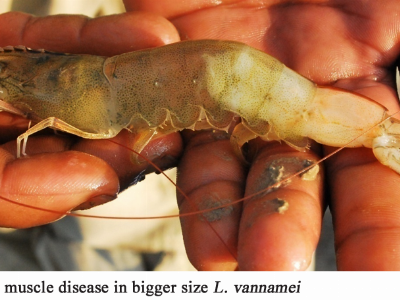
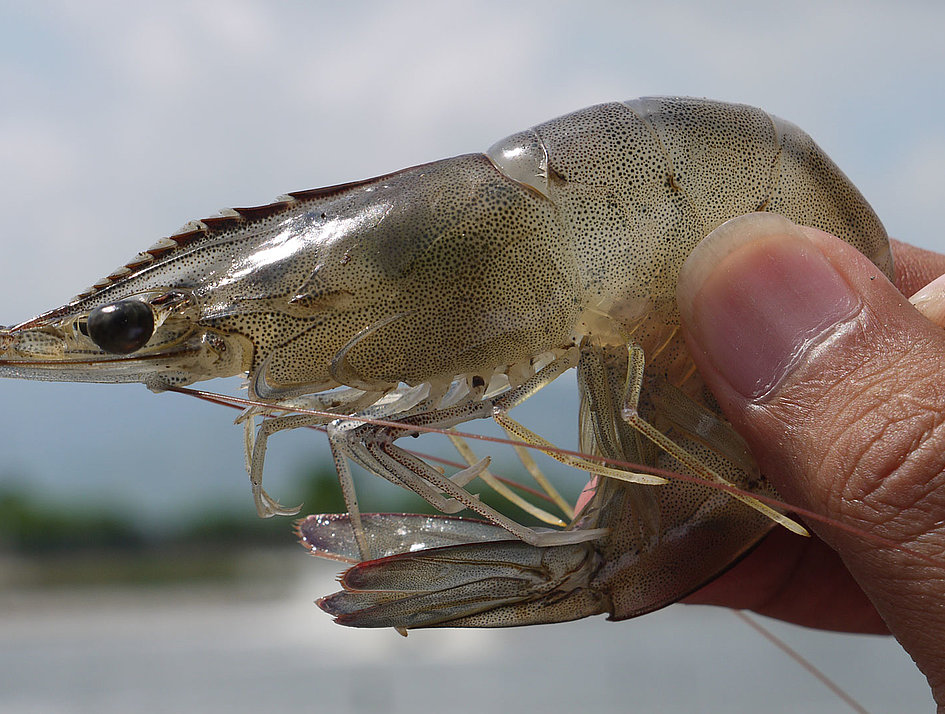
Shrimp culture tends to now be developed intensively with upgraded technology for higher and successful production. On many occasions, shrimp culture is affected by various diseases and experienced in the loss of crop or reduced the production level by various reasons, writes Mr. Prakash Chandra Behera, India.
Intensive and semi-intensive aquafarming accompanies several disease problems often due to opportunistic pathogens as evident from general aquaculture. High stocking densities, high food inputs, and other organic loads stimulate the selection and proliferation of opportunistic pathogens like bacteria, viruses, fungi, protozoa, etc.
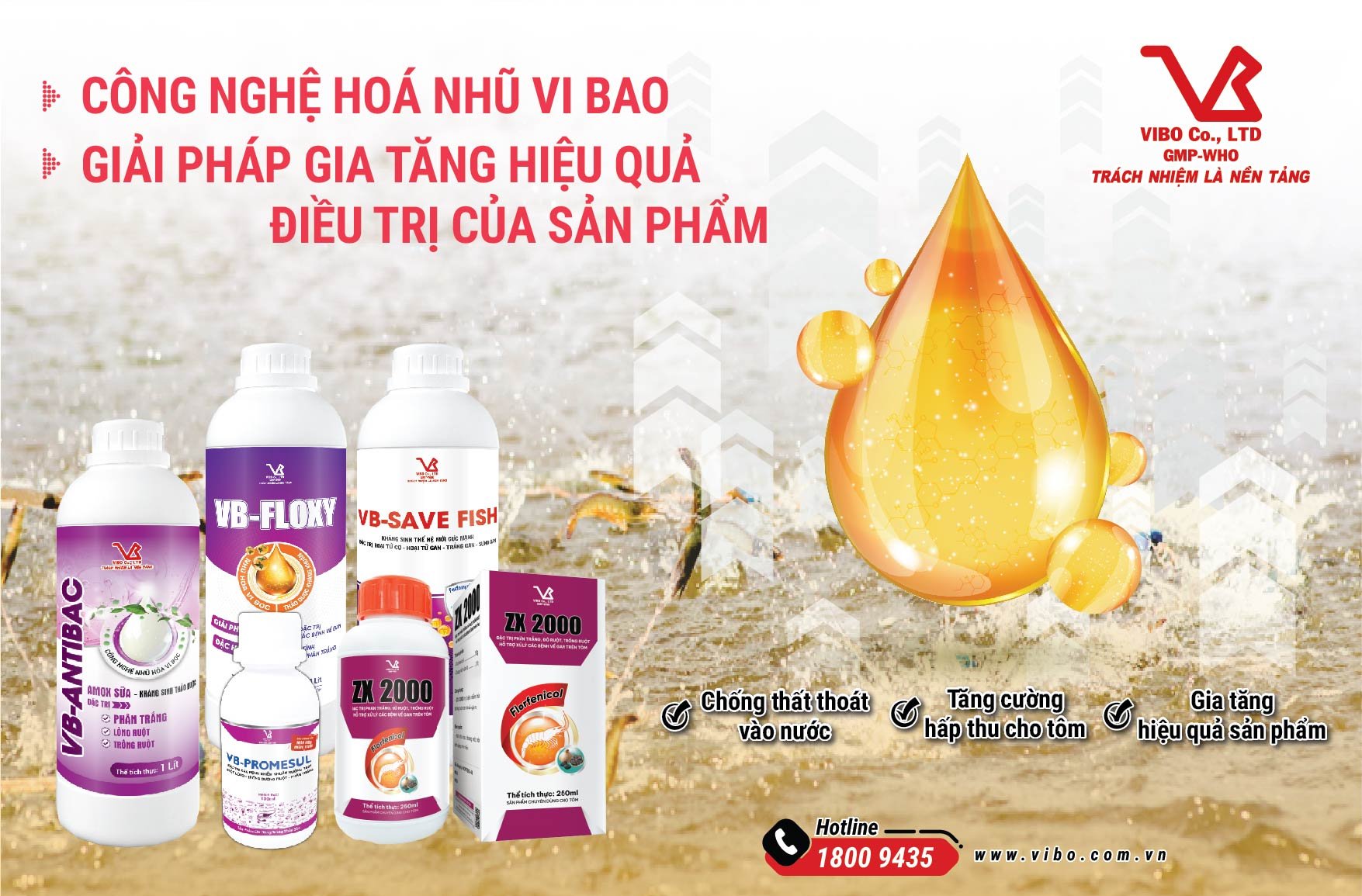
CÔNG NGHỆ HOÁ NHŨ VI BAO - GIẢI PHÁP CHỐNG THẤT THOÁT VÀ GIA TĂNG HIỆU QUẢ TÁC DỤNG CỦA SẢN PHẨM TRONG NTTS
