- Address: 胡志明市新榮祿社安夏工业园 D1 路 G 区 20 号地块
- Phone: (84-28) 668.36156 / 668.36158
- Hotline: 1800.9435
- Fax: (84-28) 3620.4694
- Email: vibo@vibo.com.vn
- Website https://vibo.com.vn/



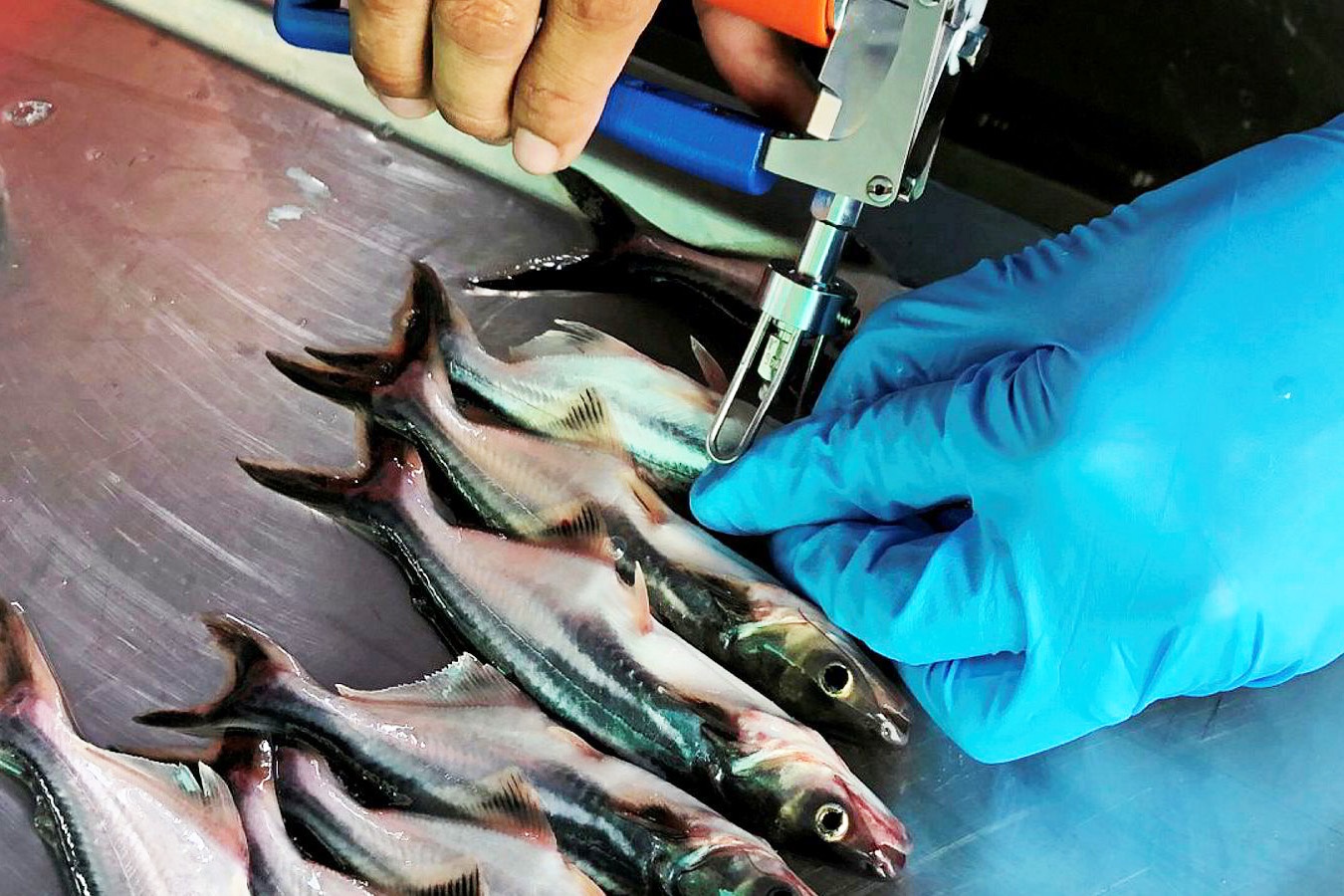
Use of vaccines to prevent diseases on pangasius.
Advances in Vaccine Development to Prevent Vibrio spp. on fish offers hope to quell many major diseases.
With the continuous development of the aquaculture industry, the output of fish, shrimp, crab, mollusks, and other aquatic animals reaches nearly 200 million tons/year. However, pathogens and external factors such as water quality, farming practices, and environmental degradation have resulted in an increasingly complex disease problem.
Among them, Vibrio spp. belongs to the family Vibrionaceae that can grow and survive independently in the water environment. There are two main modes of infection. The bacteria first attach to the surface of the host and then infect by penetrating the skin. When the lining is damaged, the risk of infection increases. The second type is an oral infection caused by food or water contaminated with pathogenic bacteria.
Therefore, there is an urgent need to control Vibrio spp. There are many biological approaches to disease prevention and control in aquaculture that are being studied and showing promising results. The vaccine is an outstanding, highly effective, safe, and convenient method that demonstrates superior immunity protection and has strong long-term stability making it the most suitable method. to control fish disease. This review provides a research progression of Vibrio spp. Vaccines, including inactivated vaccines, live-attenuated vaccines, subunit vaccines, DNA vaccines, ...
During the past two decades, the study of vaccines against Vibrio spp. on fish has made great progress. Conventional vaccines are produced by pathogenic microorganisms and their metabolites through attenuation or inactivation mainly including inactivated and attenuated live vaccines used to vaccinate fish. by injection through the peritoneum. These vaccines have been used successfully for the prevention and control of Vibriosis.
Inactivated vaccines are intact infectious bacteria or viruses that are destroyed either physically or chemically after amplification and culture, rendering them pathogenic and retaining antigens. The inactivated vaccine is characterized by safe-use, easy storage, and no risk of inducing a humoral immune response. A formalin-inactivated vaccine has been shown to provide good protection against orange spot grouper against Vibrio harveyi infection. Another study suggested that vaccinated tilapia exhibited a protection rate (RPS) of 88% following exposure to Vibrio vulnificus.
However, compared with the attenuated live vaccine, the inactivated vaccine uses antigens that are unable to multiply. Therefore, inactivated vaccines often require multiple injections, large vaccination doses, and short and single vaccination times. Consequently, adjuvants are often required to enhance the immunogenetic properties of these inactivated vaccines. However, there are many serious side effects. These shortcomings spurred the development of a generation of excipients including nano, microparticles, aluminum-containing excipients, β -Glucans, oligosaccharide chitosan, saponin, lipopeptides ...
Compared with inactivated vaccines, the attenuated live vaccines show superiority by multiplying in the host so that the body's immune response can trigger long-term protection. Different therapies should be used to reduce the toxicity of the pathogen and at the same time be able to preserve the immunogenicity. The number, nature, and location of the antigen are similar to that of a natural infection, so immunogenicity is generally strong. There is also a potential risk, however, that live vaccines can lead to infection in animals with poor immunity and the virulence reversible mutation. Analysis of experimental data showed that the Vibrio anguillarum vaccine significantly increased the protection rate (RPS) of the vaccinated flounder from 39.4% to 100% by removing the two genes alr1 and alr2 compared with inactivation with formalin only. In addition, the researchers used the increased concentration method of rifampicin to selectively reduce virulent Vibrio harveyi-T4DM strains that could induce protective immunity against Vibrio harveyi and Vibrio alginolyticus. However, the issue of sufficient degradation of strains must be ensured before these attenuated live strains are allowed to be widely used in aquaculture. Because traditional inactivated vaccines and live-attenuated vaccines have a limited role in controlling Vibrio infections. spp on a large scale. Subunit vaccines, DNA vaccines, and live vector vaccines are all very promising strategies.
Subunit vaccines are known from extracting or synthesizing specific bacterial protein structures, that is, vaccines made from epitope (structural sites on an antigen molecule can react with a pattern of the chemical structure of antibody molecules or receptor molecules in blood or on immune cells).
Only a few major surface proteins are selected in the vaccine so that it can eliminate many of the adverse reactions caused by the unrelated epithelium. After cloning, sequencing the lamB gene, and performing biological information analysis on 8 different Vibrio strains showed that the lamB vaccine results could protect zebrafish against four different Vibrio types. To increase the protective efficacy of the subunit vaccine, the researchers combined different antigens.
The DNA vaccine introduces a plasmid containing the DNA sequence that encodes the antigen (which induces the desired immune response) directly into a suitable tissue, after which the immune response to the antigen is expressed after the host cell. receive. This vaccine has both the advantages of a live-attenuating vaccine and does not present the risk of virulence recovery.
Compared with subunit vaccines, DNA vaccines are more stable. The plasmid itself can be used as an adjuvant, cost-effective and convenient to use. Currently, however, DNA vaccines are primarily used by injection, but are clearly not practical for large-scale applications. The main goal is to design a vaccine that can not be injected that can be used by adding to feed, spraying, soaking, and characterized by a rate of protection, no residue and no contamination. Develop a DNA transport system, for example, to prevent plasmid DNA from being broken down in the digestive tract. Currently, a number of studies have successfully used chitosan nanoparticles as transport vectors for the Vibrio anguillarum DNA vaccine via feed supplementation.
Using biotechnology to target effective antigens in combination with new supplements to develop immersion Vibrio spp vaccines or oral supplementation could be a good way to control infections. This will not only satisfy consumers' demand for quality seafood products but also ensure a sustainable aquaculture environment.
A review: progress in the development of fish Vibrio spp. vaccines by author Q, Wang S, Ma J, Liu Q, Immunology Letters (2020)
Nguồn: tepbac.com
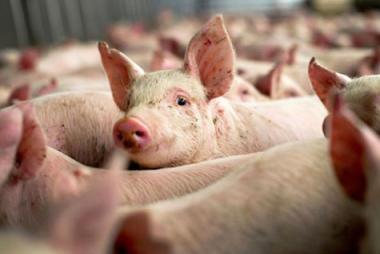
Trước nguy cơ xâm nhiễm của chủng virus FMD SAT-1 từ biên giới, Thứ trưởng Bộ NN - MT Phùng Đức Tiến yêu cầu kích hoạt hệ thống phòng thủ "từ sớm, từ xa" để bảo vệ sinh kế của người dân và an ninh thực phẩm quốc gia.
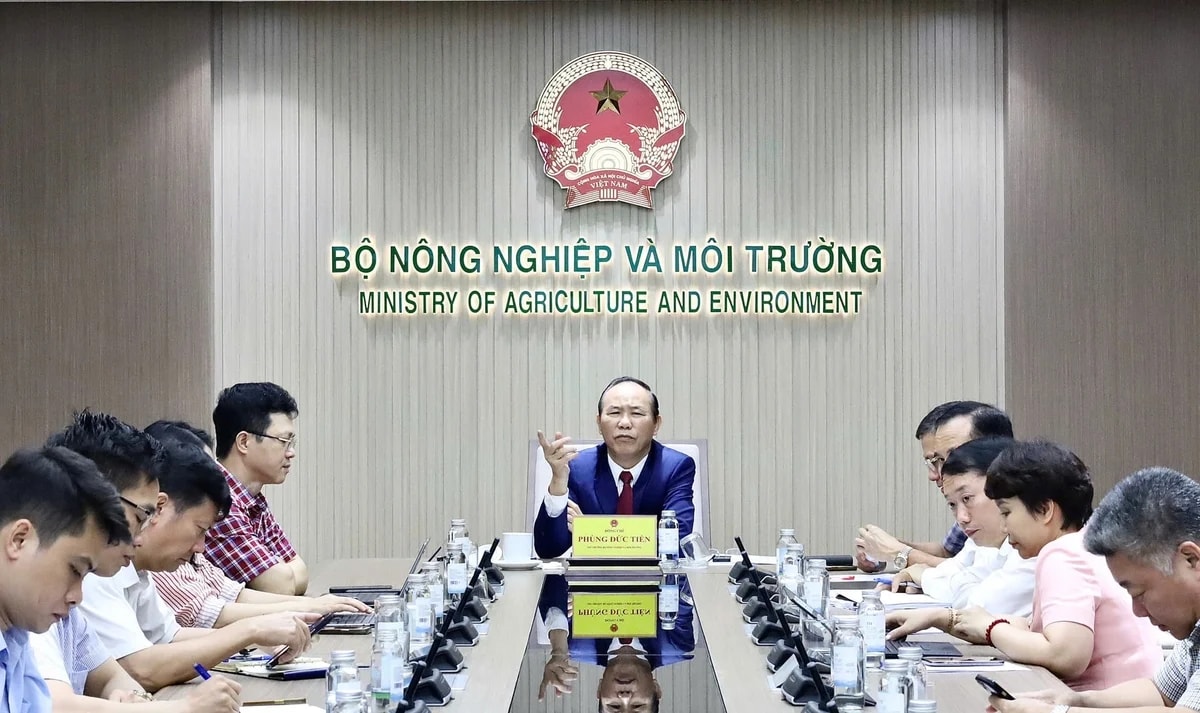
Thứ trưởng Bộ NN-MT Phùng Đức Tiến chủ trì cuộc họp khẩn sáng nay để đối phó dịch bệnh. Nguồn nongnghiepmoitruong.vn
Khác với các tuýp virus O, A hay Asia-1 đã quen thuộc tại Việt Nam, chủng SAT-1 (South African Territories 1) được ví như một "sát thủ mới" với độc lực cực mạnh. Đặc tính nguy hiểm nhất của chủng này là gây viêm cơ tim cấp tính và phá hủy hệ hô hấp.
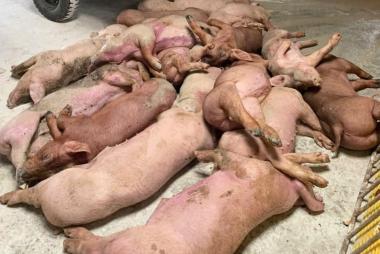
Theo báo cáo của Cục Thú y, tỷ lệ tử vong trên thực địa là con số biết nói. Đối với heo, là động vật dễ bị tổn thương nhất. Nếu bị nhiễm bệnh, heo con có tỷ lệ chết lên đến 50 - 80% chỉ sau thời gian ngắn phát bệnh; heo thịt tỷ lệ chết khoảng 20%.
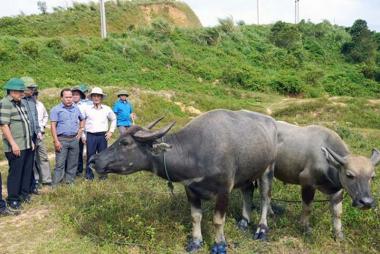
Còn đối với trâu, bò, dù có sức đề kháng tốt hơn nhưng tỷ lệ chết vẫn dao động từ 10 - 50% tùy tình trạng sức khỏe.
.webp)
Nếu bị lây nhiễm, thì heo là vật nuôi dễ bị thiệt hại lớn nhất từ vi rút SAT - 1. Nguồn: vov.vn
Dấu hiệu nhận biết nhiễm bệnh, ngoài các triệu chứng điển hình như sốt cao, loét miệng, móng và chảy nước bọt, gia súc nhiễm SAT-1 thường có biểu hiện khó thở nặng, bỏ ăn hoàn toàn và có thể chết đột ngột do suy tim trước khi các vết loét kịp lan rộng.
Tại cuộc họp sáng 14/4 do Bộ NN-MT tổ chức, đánh giá của cơ quan chuyên môn cho biết, dù dịch bệnh chưa vào nước ta, nhưng một vấn đề nan giải được đặt ra: Việt Nam hiện chưa có kháng thể sẵn có cho chủng SAT-1 trong đàn vật nuôi. Các loại vaccine đa giá hiện hành không có tác dụng bảo hộ đối với biến chủng này.
Thách thức càng lớn khi việc nhập khẩu vaccine đơn giá chủng SAT-1 từ các tập đoàn đa quốc gia có thể mất tới 6 tháng, với mức giá dự kiến khoảng 40.000 VNĐ/liều. Đây là mức giá khá cao đối với hộ chăn nuôi nhỏ lẻ, đặt ra bài toán về việc nhà nước cần có cơ chế hỗ trợ giá hoặc dự phòng khẩn cấp, để kịp thời bao phủ miễn dịch cho các vùng trọng điểm.
Trong bối cảnh vaccine chưa thể có ngay, Thứ trưởng Phùng Đức Tiến nhấn mạnh: "Vũ khí mạnh nhất hiện nay là kiểm soát biên giới và an toàn sinh học tại chuồng trại".
Theo đó, Bộ NN - MT đưa ra khuyến cáo khẩn cấp, là kiểm soát tuyệt đối nguồn gốc. Không mua bán, vận chuyển gia súc không rõ nguồn gốc, đặc biệt là tại các tỉnh biên giới phía Bắc và miền Trung.
Virus FMD rất nhạy cảm với môi trường axit và kiềm. Người dân cần tăng cường phun khử khuẩn bằng vôi bột hoặc các dung dịch sát trùng chuyên dụng (như Iodine, NaOH 2%) với tần suất cao hơn tại các cửa ngõ trang trại.
Khi phát hiện gia súc có biểu hiện sốt, lờ mờ, loét móng, chủ hộ phải báo ngay cho cơ quan thú y địa phương. Tuyệt đối không bán chạy hoặc vứt xác gia súc ra môi trường.
Để ứng phó, Bộ đã giao Cục Thú y xây dựng kế hoạch 4 giai đoạn:
Giai đoạn 1: Giám sát chủ động tại cửa khẩu, đường mòn và nhập khẩu mẫu mồi xét nghiệm.
Giai đoạn 2: Nhập khẩu dự phòng vaccine và xây dựng bản đồ vùng nguy cơ cao.
Giai đoạn 3: Kích hoạt hệ thống phản ứng nhanh, bao vây ổ dịch ngay từ khi phát hiện ca đầu tiên.
Giai đoạn 4: Nghiên cứu sản xuất vaccine nội địa nhằm làm chủ công nghệ về lâu dài.
Dù virus FMD chủng SAT-1 không lây sang người, nhưng sức tàn phá về kinh tế là vô cùng lớn. Sự phối hợp chặt chẽ giữa các bộ ngành (Công an, Biên phòng) và ý thức tự bảo vệ của người nông dân là chìa khóa duy nhất để ngăn chặn một cuộc khủng hoảng mới trong ngành chăn nuôi.
Tấn Nguyễn - Tạp chí điện tử Nông Thôn Việt
Sau sáp nhập, tỉnh Đồng Nai tiếp tục giữ vị trí là “thủ phủ” chăn nuôi của cả nước. Năm 2025, tỉnh Đồng Nai cung cấp ra thị trường gần 1,16 triệu tấn thịt các loại, tăng hơn 5,4% so với cùng kỳ năm ngoái.
Tuy nhiên, do phát triển mạnh đàn vật nuôi nên các địa phương trên địa bàn tỉnh cũng đối mặt với thách thức lớn trong công tác phòng, chống dịch bệnh trên đàn vật nuôi. Các địa phương càng chú trọng đến công tác phòng, chống dịch, đảm bảo phát triển chăn nuôi bền vững.
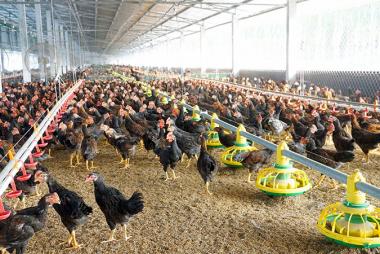
Thời gian qua, tỉnh Đồng Nai phát triển mạnh chăn nuôi công nghiệp với quy mô hàng hóa lớn. Các trang trại chăn nuôi chú trọng áp dụng đồng bộ các giải pháp an toàn sinh học trong chăn nuôi, góp phần phòng, chống dịch, bệnh hiệu quả cho đàn vật nuôi. Đến nay, toàn tỉnh có khoảng 3,94 triệu con heo, chăn nuôi trang trại chiếm khoảng 90% tổng đàn. Tổng đàn gà khoảng 32,6 triệu con, chăn nuôi trang trại chiếm khoảng 89% tổng đàn.
Tuy chăn nuôi nhỏ lẻ chỉ chiếm 10% trên tổng đàn với chăn nuôi heo nhưng trên địa bàn vẫn còn khoảng 12,5 ngàn hộ chăn nuôi nhỏ lẻ và gần 26,5 ngàn hộ chăn nuôi gà. Do chăn nuôi nhỏ lẻ vẫn thu hút đông nông hộ tham gia, tiềm ẩn rủi ro dịch bệnh cao do thiếu vệ sinh thú ý, vẫn còn tình trạng chăn nuôi trong khu dân cư nên chưa thực hiện tốt các giải pháp chăn nuôi an toàn sinh học.
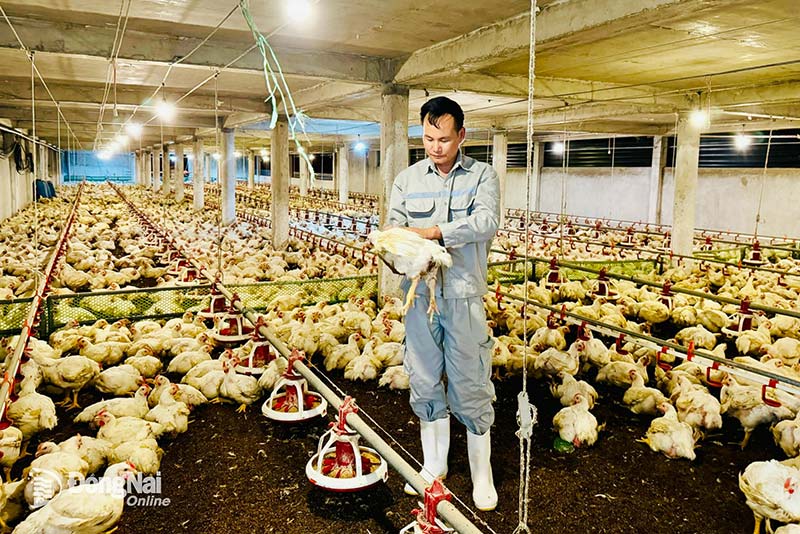
Trang trại chăn nuôi gà công nghiệp tại xã Xuân Đông thực hiện tốt các giải pháp chăn nuôi an toàn sinh học. Ảnh: Bình Nguyên
Chăn nuôi nông hộ dễ xuất hiện dịch bệnh. Năm 2025, toàn tỉnh có 37 xã với 178 cơ sở chăn nuôi xuất hiện dịch tả heo châu Phi, tiêu hủy hơn 7,4 ngàn con heo, tăng hơn 135,5% so với năm 2024. Ngoài ra, nhiều địa phương cũng xuất hiện các dịch bệnh khác trên vật nuôi như: viêm da nổi cục, cúm gia cầm…
Ông Lê Hồng Phong, Giám đốc Trung tâm Kiểm tra vệ sinh thú y Trung ương II nhận xét: Trong quý I-2026, tình hình dịch bệnh vẫn diễn biến phức tạp, nhất là các bệnh cúm gia cầm, dịch tả heo châu Phi với nhiều biến chủng. Dịch bệnh xuất hiện nhiều ở các hộ chăn nuôi nhỏ lẻ. Đồng Nai là “thủ phủ” chăn nuôi với tỷ trọng chăn nuôi lớn nhất nước, tập trung trại giống rất nhiều. Chăn nuôi đóng vai trò quan trọng trong phát triển kinh tế địa phương. Tỉnh cần triển khai hiệu quả các giải pháp chăn nuôi an toàn sinh học, hạn chế dịch bệnh ảnh hưởng đến ngành chăn nuôi.
Ông Nguyễn Hữu Chiến, Phó Chủ tịch UBND xã Xuân Đông cho biết: Địa phương phát triển mạnh chăn nuôi, trong đó tập trung nhiều trang trại quy mô lớn. Ngày 23-3, trên địa bàn xã có một trại heo thông báo xuất hiện tình hình heo chết. Kết quả trại này có heo nhiễm dịch tả châu Phi. Nguyên nhân do trang trại này nhập heo con bên ngoài về nuôi và nguồn nhiễm bệnh từ heo con mới nhập về. Đến nay, tình trạng dịch bệnh được khống chế. Công tác tiêu trùng, khử độc được thực hiện tốt. Khó khăn của địa phương là tập trung đông các cơ sở chăn nuôi nhưng hiện chỉ có một cán bộ thú y, thiếu về nhân lực, nhất là khi xảy ra dịch bệnh cần lực lượng phản ứng nhanh trong xử lý dịch bệnh.
Ông Nguyễn Trường Giang, Chi cục trưởng Chi cục Chăn nuôi và Thú y tỉnh Đồng Nai cho biết: Thời gian qua, công tác triển khai phòng, chống dịch bệnh tại các xã, phường trên địa bàn tỉnh được thực hiện tốt. Công tác phòng, chống dịch yêu cầu phải nhanh, gọn, có thông tin dịch bệnh là phải xử lý ngay. Chi cục Chăn nuôi và Thú y tỉnh luôn phối hợp tốt với các địa phương trong công tác phòng, chống dịch bệnh. Khi có địa phương xuất hiện ổ dịch và báo lên, trong vòng 24 giờ, đơn vị đều kịp thời xuống ổ dịch phối hợp cùng địa phương xử lý.
Chủ động phòng, chống dịch hiệu quả, ngay từ đầu năm, các địa phương chủ động xây dựng kế hoạch, bố trí kinh phí cho công tác phòng, chống dịch trên gia súc, gia cầm, thủy sản năm 2026.
Tại Hội nghị Phòng, chống dịch bệnh trên vật nuôi năm 2026, đại diện phường Bình Phước cho hay: Đến nay, UBND phường Bình Phước luôn xác định công tác phòng, chống dịch bệnh là nhiệm vụ trọng tâm, thường xuyên để bảo vệ sức khỏe nhân dân, góp phần phát triển kinh tế địa phương. Đặc biệt, dịch tả heo châu Phi xuất hiện trên địa bàn và vẫn tiềm ẩn nguy cơ tái phát. Địa phương tập trung triển khai đồng loạt các giải pháp phòng, chống dịch bệnh, không để dịch bệnh lây lan. Công tác giám sát dịch bệnh tại các địa bàn có cơ sở chăn nuôi được chú trọng. Trong năm 2026, UBND phường Bình Phước tiếp tục tập trung thực hiện các kế hoạch tỉnh giao; chú trọng công tác tuyên truyền về phòng, chống dịch bệnh, chăn nuôi an toàn; nâng cao tỷ lệ tiêm phòng, giám sát chăn nuôi nông hộ.
Ông Nguyễn Trí Công, Chủ tịch Hiệp hội Chăn nuôi tỉnh Đồng Nai chia sẻ: Tình hình dịch bệnh trên heo, gà, trâu bò vẫn diễn biến phức tạp. Việc tổ chức chôn lấp động vật bị dịch bệnh tại chỗ nơi trang trại xảy ra ổ dịch bệnh có rủi ro ô nhiễm nguồn nước ngầm, nguồn dịch bệnh tồn tại lâu. Các địa phương nên có giải pháp xử lý heo, gà bệnh phù hợp hơn, nhất là những trang trại chăn nuôi quy mô lớn để hạn chế dịch bệnh lây lan. Tình hình dịch tả heo châu Phi vẫn diễn biến phức tạp, nhất là với các trang trại nhỏ lẻ do hiệu quả vaccine dịch tả heo châu Phi chưa cao. Tỉnh Đồng Nai thực hiện tốt công tác kiểm soát, giám sát dịch bệnh. Tuy nhiên, tỉnh cần quan tâm, kiểm soát chặt chẽ hơn về hoạt động giết mổ, nhất là xử lý tình hình giết mổ lậu hiệu quả sẽ góp phần rất lớn trong kiểm soát dịch bệnh.
Nguồn: Báo Đồng Nai
Phó Chủ tịch Thường trực UBND tỉnh Lê Trọng Yên vừa có văn bản chỉ đạo các sở, ban, ngành liên quan và các địa phương trong tỉnh tiếp tục thực hiện đồng bộ các giải pháp phòng, chống bệnh dịch tả lợn châu Phi (DTLCP) trên địa bàn tỉnh.
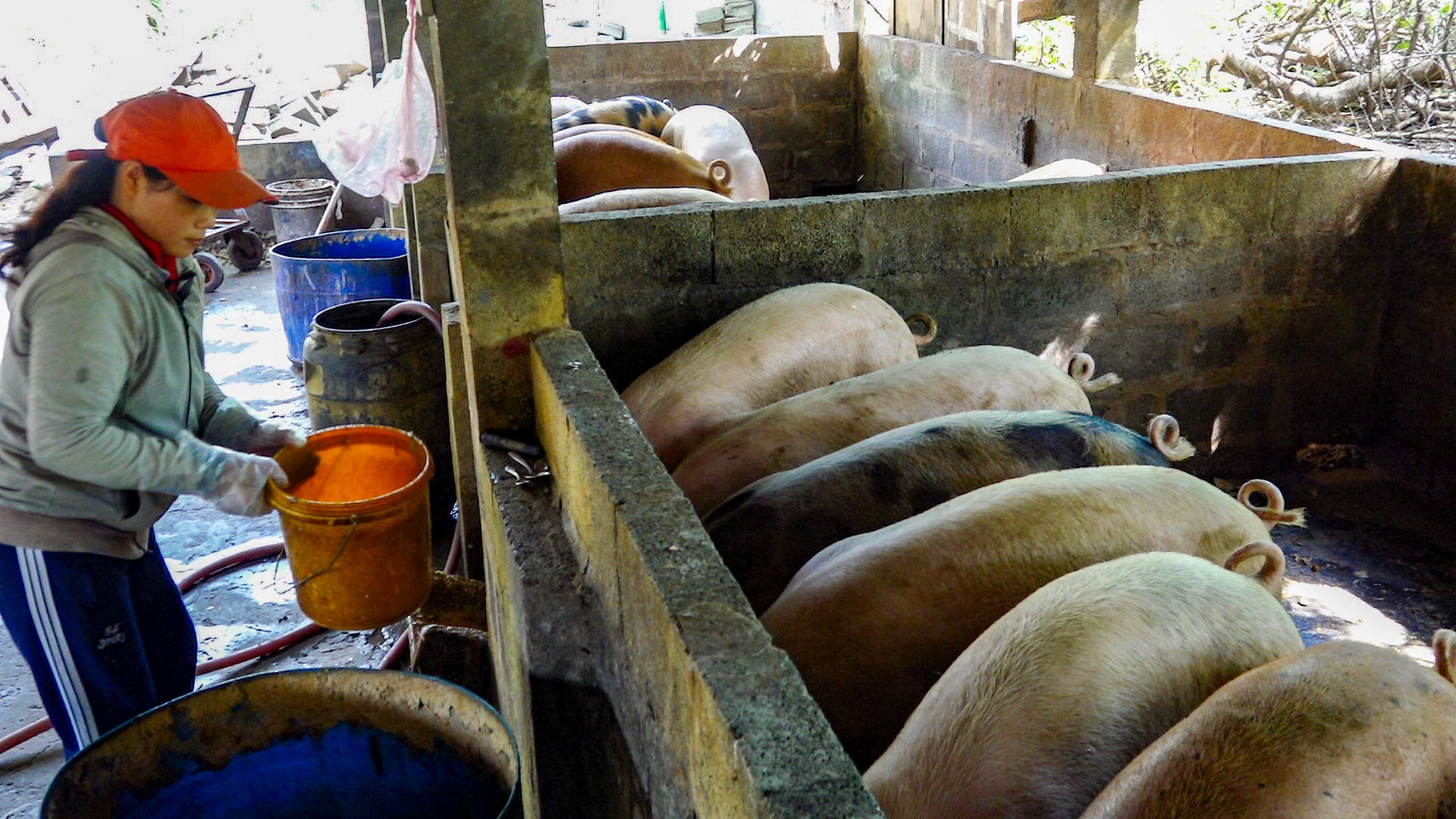
Người chăn nuôi chú trọng vệ sinh, phòng, chống dịch bệnh.
Theo đó, để chủ động phòng, chống, kiểm soát dịch bệnh DTLCP kịp thời, hiệu quả, UBND tỉnh yêu cầu các sở, ban, ngành liên quan và Chủ tịch UBND các xã, phường, đặc khu Phú Quý tuyệt đối không chủ quan, lơ là trong công tác phòng, chống dịch bệnh trên động vật, đặc biệt là bệnh DTLCP.
Cụ thể, UBND tỉnh giao Sở Nông nghiệp và Môi trường chỉ đạo, tổ chức hướng dẫn, đôn đốc, kiểm tra công tác phòng, chống dịch bệnh DTLCP. Song song đó, phối hợp với UBND các xã, phường, đặc khu Phú Quý chủ động giám sát chặt chẽ tình hình dịch bệnh, phát hiện sớm, cảnh báo và chỉ đạo xử lý triệt để ổ dịch, không để dịch bệnh lây lan trên diện rộng…
Các sở, ngành liên quan chỉ đạo tăng cường kiểm soát lưu thông. Qua đó, phát hiện, kịp thời ngăn chặn, xử lý nghiêm các trường hợp buôn bán, vận chuyển lợn và các sản phẩm từ lợn mắc bệnh, không rõ nguồn gốc, xuất xứ, chưa qua kiểm dịch trên thị trường ra, vào địa bàn tỉnh. Bên cạnh đó, chủ động, tích cực chia sẻ thông tin, dữ liệu với cơ quan thú y các cấp; phối hợp tổ chức chỉ đạo triển khai các biện pháp phòng, chống dịch bệnh theo quy định của pháp luật.
Song song đó, việc tuyên truyền về các biện pháp phòng, chống dịch bệnh DTLCP; thông tin kịp thời, chính xác về diễn biến dịch bệnh để người dân không hoang mang, chủ động áp dụng các biện pháp phòng bệnh theo hướng dẫn của cơ quan chuyên môn; kịp thời phản bác các thông tin sai lệch, gây hoang mang, lo lắng trong Nhân dân… cần được đẩy mạnh.
UBND các xã, phường, đặc khu Phú Quý cần tập trung huy động các nguồn lực trên địa bàn tổ chức triển khai, thực hiện quyết liệt, đồng bộ, hiệu quả các giải pháp phòng, chống bệnh DTLCP; kịp thời phát hiện, ngăn chặn và kiên quyết xử lý nghiêm các trường hợp mua bán, vận chuyển, giết mổ lợn bệnh, vứt xác lợn chết làm lây lan dịch bệnh, ô nhiễm môi trường, gây ảnh hưởng cho người dân và cộng đồng.
Nguồn: Báo Lâm Đồng