

Vietnamese shrimp ranks 3rd in the EU amid strong competition from Ecuador and India
According to Vietnam Customs data, Vietnam’s shrimp exports to the EU reached USD 434 million in the first nine months of 2025, up 21% year-on-year. Particularly in September, exports to this market jumped by 48%, with all three major EU destinations posting double-digit growth.
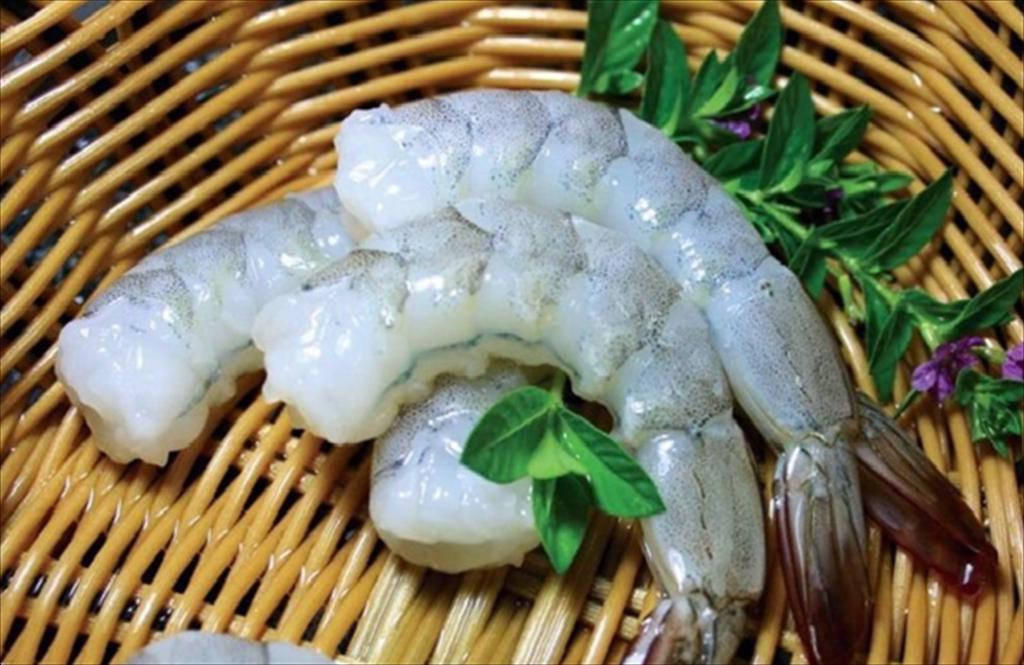
Product structure: Whiteleg shrimp and value-added products take the lead
Whiteleg shrimp accounted for around 80% of Vietnam’s shrimp export value to the EU. More importantly, value-added products made up over 50% of total shrimp export turnover to this market, underscoring Vietnam’s strength in deep processing and high-value segments rather than raw commodity exports.
EU shrimp imports rebound – but momentum is slowing
The EU remains one of the world’s largest shrimp importers. In the first eight months of 2025, the bloc imported 289,142 tons of shrimp worth EUR 1.8 billion, up 19% in volume and 24% in value compared to the same period in 2024.
However, growth began to slow in August 2025, when import volume rose by only 6% and value by 8%. This reflects price stabilization and more cautious purchasing behavior from EU buyers after a strong buying phase earlier in the year.
In terms of product mix, raw frozen shrimp still dominates, accounting for 252,789 tons, while value-added shrimp reached 36,353 tons. Both segments grew by 19% year-on-year. Although value-added volumes are smaller, this category is increasingly prioritized by EU importers, opening doors for suppliers with advanced processing capabilities – an area where Vietnam holds a clear advantage over many Asian competitors.
Vietnam ranks 3rd in the EU – behind two shrimp giants
EU import statistics show that Vietnam exported 35,004 tons of shrimp to the EU in the first eight months of 2025, up 14%, ranking third among key suppliers. Ecuador led with 160,139 tons, followed by India with 36,880 tons.
Ecuador maintained its leading position with a 36% surge, driven by large-scale farming, low production costs and a strong shift toward processed products. India followed with a 27% increase, expanding both raw and basic processed shipments.
Vietnam’s growth was steadier but slower, focusing primarily on high-value processed products, which account for more than half of its shrimp export value to the EU. This product structure is a major strategic advantage compared with its two main rivals, but it also means higher production and compliance costs.
The rapid expansion of Ecuador and India has contributed to downward pressure on average import prices in some periods, squeezing Vietnamese exporters’ profit margins. If this trend persists, Vietnam will need to further consolidate its position in premium segments, instead of competing directly on price.
EVFTA and processing strength: Key competitive levers
Vietnam is one of the few Asian shrimp suppliers that has a Free Trade Agreement with the EU (EVFTA), granting 0% tariffs for many shrimp product lines. At the same time, Vietnam possesses an extensive network of EU-standard processing plants, with numerous factories approved to export to the bloc.
These advantages allow Vietnamese shrimp to penetrate deeper into supermarket supply chains and retail networks across Europe. As EU consumers place increasing value on sustainability, traceability and low-carbon production, Vietnam’s efforts to adopt high-tech farming systems and obtain certifications such as ASC, BAP and GlobalGAP serve as important “green advantages” for maintaining market share and strengthening its reputation as a responsible, long-term supplier.
Emerging regulatory and market challenges
Despite these strengths, the EU market is becoming more demanding. New regulations such as the EU Corporate Sustainability Due Diligence Directive (CSDDD) and Germany’s Supply Chain Due Diligence Act (SCDDA) require importers to ensure that products do not harm the environment, involve labor violations or use raw materials that cannot be traced. This raises the bar for all suppliers, including Vietnam’s seafood sector.
The EU’s ongoing “yellow card” warning on Vietnam’s wild-caught seafood, though not directly targeting farmed shrimp, still creates a degree of caution among importers and emphasizes the need for greater transparency and control throughout the entire value chain.
In addition, if the EU signs new FTAs with other shrimp-producing countries such as Indonesia, Malaysia or Thailand, Vietnam’s tariff advantage under EVFTA could narrow, intensifying competition further.
Strategic directions for Vietnamese shrimp exporters
In this context, fierce competition also opens up new strategic directions for Vietnamese shrimp companies:
-
Focus on premium processed products
The segment of ready-to-cook (RTC) and ready-to-eat (RTE) shrimp for retail and foodservice still holds considerable potential. These products typically offer better profit margins and are less vulnerable to raw material price volatility. -
Invest in digital traceability and ESG compliance
Exporters should invest in electronic traceability systems and work closely with EU partners to meet environmental and social standards right from the farming stage. Early adopters will be better positioned to gain the trust of major supermarket chains and secure long-term, high-value contracts. -
Build direct relationships and develop Private Label strategies
Strengthening direct partnerships with distributors and retailers, instead of relying mainly on intermediaries, will help Vietnamese businesses understand market trends more quickly and capture added value. Producing under Private Label for supermarket brands is a promising path for stable volume and long-term cooperation.
Outlook for Q4/2025 and 2026
Looking toward Q4/2025 and 2026, Vietnam’s shrimp exports to the EU are expected to remain generally positive, supported by year-end demand and the ongoing recovery of the foodservice and retail sectors. However, growth may slow down due to abundant global supply and persistent pressure on export prices.
With strong processing capabilities, extensive export experience and EVFTA tariff preferences, Vietnam is well-placed to capture further opportunities in the EU market – provided that businesses proactively adapt to new regulatory requirements, continue upgrading their supply chains and work together to build a reliable, high-value national shrimp brand.
Source: Adapted from VASEP (seafood.vasep.com.vn).


.webp)